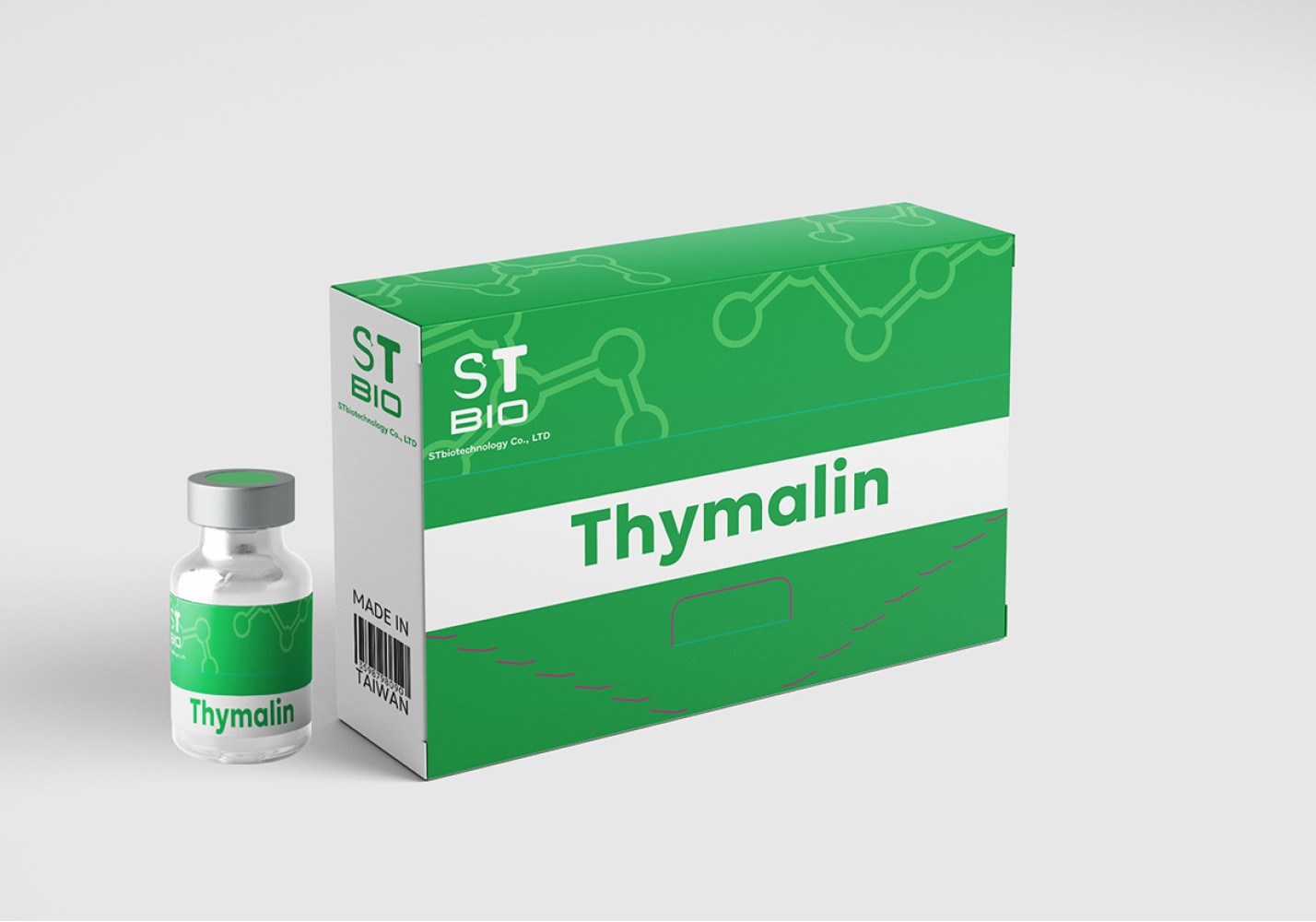
Thymalin
$77.00
Buy Thymalin: The Complete 2026 Research Guide to Thymic Peptide Therapy
Buy Thymalin | Word Count: ~3,000 | Last Updated: June 2026
Why Researchers and Biohackers Are Choosing to Buy Thymalin
Buy Thymalin In the rapidly expanding world of peptide research, few compounds have generated as much scientific interest as Thymalin — a naturally derived polypeptide extracted from the thymus gland. Whether you are a longevity researcher, an immunologist studying age-related decline, or a health-conscious individual exploring cutting-edge biosciences, understanding this peptide before you proceed is critical.
This guide answers the most searched question in the peptide space right now: what is Thymalin, where can it be found, and what does the science actually say? We’ll walk through its mechanism of action, how it’s used in research settings, what real customers have experienced, and where this compound sits in the wider conversation around grey market peptides and GLP-1 alternatives.
What Is Thymalin? A Deep Dive Into the Science
Before exploring where to find Thymalin for sale, it’s important to establish a clear scientific foundation.
Thymalin is a naturally occurring polypeptide complex derived from the thymus gland — the primary organ responsible for the maturation and regulation of T-lymphocytes (T cells), the immune system’s front-line defenders. As we age, the thymus gradually shrinks in a process called thymic involution, and with it, our adaptive immune competency declines. Thymalin was first isolated and studied by Russian scientists, particularly the research group led by Dr. Vladimir Khavinson at the St. Petersburg Institute of Bioregulation and Gerontology, and it has since accumulated a remarkable body of clinical and preclinical evidence across multiple disease states.
Structurally, Thymalin is not a single molecule but a multi-peptide complex. Its components include short peptide sequences — notably the EW dipeptide (also commercialized as Thymogen), the KE dipeptide, and the EDP tripeptide — which work collectively to regulate gene expression, modulate cytokine balance, stimulate T-cell differentiation, and influence heat-shock protein synthesis. In simpler terms, Thymalin essentially tells the body’s immune machinery to recalibrate, restore, and regenerate.
The thymus gland begins to involute as early as puberty, and by middle age, much of its active tissue has been replaced with fat. This natural decline correlates strongly with age-related immune incompetence, increased susceptibility to infections, cancer, and autoimmune disorders. Thymalin’s proposed mechanism targets precisely this vulnerability: by providing the body with the biochemical signals that the thymus would otherwise produce, it may help restore a degree of immune competency that aging has eroded.
Approved for clinical use in Russia and several Eastern European countries for over three decades, Thymalin has been administered in settings ranging from post-chemotherapy recovery to tuberculosis management, viral infections including hepatitis B and C, and general immune system support in aging populations. In the West, it remains a research-use-only compound not yet approved by the FDA or EMA, but its use among biohackers and longevity researchers has surged considerably in recent years.
Key Research Applications: What the Studies Show
Immune System Modulation
The most extensively documented application of Thymalin is immune restoration. Research demonstrates that it activates and amplifies the production of T-helper cells, T-killer cells, and natural killer (NK) cells — all critical components of adaptive immunity. This makes it particularly interesting in the study of conditions like HIV, influenza, hepatitis, herpes simplex, and chronic bacterial infections such as tuberculosis.
Multiple clinical observations from Russian hospitals — dating back to the 1980s through the 2000s — show that patients receiving Thymalin alongside conventional treatment recovered more quickly from viral and bacterial illnesses, with fewer complications and improved laboratory markers of immune function. While these studies were conducted outside the gold-standard randomized, double-blind clinical trial framework common in Western medicine, the consistency and volume of positive outcomes has sustained interest in the compound.
Oncology Support and Hematopoietic Recovery
One of the most clinically significant research areas for Thymalin involves its use alongside chemotherapy and radiotherapy. Cancer treatment is notoriously immunosuppressive — it destroys healthy immune cells alongside malignant ones. Thymalin has been studied as a protective agent in this context, with evidence suggesting it may help protect bone marrow function, accelerate hematopoietic (blood cell) recovery, and enhance immune surveillance during and after treatment. For patients whose immune systems are devastated by cytotoxic therapies, a compound that can hasten immune reconstitution has enormous theoretical appeal.
Longevity and Anti-Aging Research
Perhaps no research area has generated more excitement — or more caution — than Thymalin’s potential role in extending healthy lifespan. Animal studies conducted over several decades, particularly rodent trials by Khavinson and colleagues, showed that animals treated with Thymalin (often in combination with the pineal gland peptide Epithalon) demonstrated extended lifespan, delayed onset of age-related disease, and superior immune function compared to controls. Human observational data from long-term clinical use in Russia adds a degree of real-world plausibility to these findings, though rigorous human longevity trials have yet to be conducted.
The mechanism proposed involves the slowing of thymic involution, geroprotective gene expression modulation, and a systemic reduction in chronic low-grade inflammation — a phenomenon increasingly understood to underpin most degenerative diseases of aging (sometimes called “inflammaging”).
Neurological and Autoimmune Applications
Emerging research suggests Thymalin may also have relevance in autoimmune conditions such as rheumatoid arthritis and multiple sclerosis, as well as neurological applications. Its anti-inflammatory properties and ability to recalibrate immune balance make it theoretically attractive in conditions where the immune system is attacking the body’s own tissues. Early evidence also suggests potential neuroprotective effects, though this remains one of the less developed areas of Thymalin research.
Psoriasis and Dermatological Conditions
Thymalin has been studied in psoriasis management, with its immunomodulatory action potentially reducing the inflammatory cascade responsible for plaques and skin lesions. Some clinical observations from Eastern European dermatology practices have suggested improvements in symptom burden among patients receiving Thymalin as part of combined protocols.
How Thymalin Is Used in Research Settings
Dosage Protocols
Thymalin is typically supplied as a lyophilized (freeze-dried) powder in vials of 10mg. Before use in research, it must be reconstituted using bacteriostatic water. Standard research protocols, drawing on clinical use patterns observed in Russia and Eastern European countries, generally describe dosage ranges between 5mg and 10mg per injection, administered subcutaneously or intramuscularly.
Common research protocols include:
- Acute protocols: 10mg daily for 5–10 consecutive days, repeated 2–3 times per year
- Maintenance protocols: 5–10mg administered 2–3 times per week over a 4-week cycle
- Combination stacks: Thymalin is frequently studied alongside Epithalon (for telomere/pineal axis effects), Thymosin Alpha-1 (for direct T-cell stimulation), and growth hormone secretagogues like CJC-1295 or Ipamorelin
Researchers note that reconstituted Thymalin should be stored refrigerated at 2–8°C and used within 28 days. The lyophilized powder, before reconstitution, should be stored at or below -20°C and protected from light.
Stacking Considerations
In longevity research circles, Thymalin is rarely studied in isolation. The most commonly reported combination is Thymalin + Epithalon, which appears across multiple published rodent studies and has emerged as a popular dual-protocol among biohackers. The rationale: Thymalin addresses thymic immune decline while Epithalon targets the pineal axis, telomere dynamics, and melatonin regulation — together covering two major biological clocks of aging.
Grey Market Peptides and GLP-1: Understanding the Landscape
No discussion of research peptides in 2026 would be complete without addressing the broader context of grey market compounds — and Thymalin sits squarely within this regulatory grey zone, alongside far more widely discussed molecules like semaglutide and tirzepatide.
What Are Grey Market Peptides?
A grey market peptide is one that occupies a legal and regulatory middle ground. It is not an FDA-approved medication. It is not a DEA-scheduled controlled substance. And it is not manufactured within the pharmaceutical supply chain that governs drugs like Ozempic or Wegovy. Instead, it is sold under “Research Use Only” (RUO) disclaimers — a legal mechanism that allows vendors to market these compounds without claiming therapeutic intent, thereby bypassing the regulatory framework that would otherwise require clinical trial data, GMP manufacturing certification, and rigorous safety oversight.
The RUO label has enabled an entire industry to flourish, one that spans peptides like BPC-157, TB-500, Selank, Ipamorelin, and Thymalin itself — but also, increasingly, research versions of GLP-1 agonists like semaglutide (the active ingredient in Ozempic) and tirzepatide (Zepbound’s active molecule). The explosion of interest in GLP-1 receptor agonists for weight loss — driven by landmark clinical outcomes and social media saturation — has turbocharged grey market demand. Supply shortages, prohibitive costs ($1,200+ per month for branded GLP-1s), and insurance coverage gaps have pushed large numbers of individuals toward unregulated research-grade alternatives.
The GLP-1 Grey Market Problem
It’s worth addressing the GLP-1 situation directly, because it illuminates the broader risks of grey market sourcing. Studies have found that grey market semaglutide and tirzepatide samples can vary wildly in actual purity — in some cases measuring as low as 7–14% of claimed concentration. Contamination with endotoxins (bacterial byproducts that cause inflammatory reactions) has also been documented. For GLP-1 compounds in particular, imprecise dosing creates a meaningful risk of severe nausea, vomiting, dehydration, and in rare cases, pancreatitis — because these are dose-dependent side effects.
The “Research Use Only” label is, in the words of clinical observers, essentially a legal fiction. It shifts all liability from vendor to purchaser. There is no physician in the accountability chain, no regulated pharmacy, and no recourse if something goes wrong. Purity certificates from vendors — the ubiquitous “99% pure” COA from third-party labs like Janoshik or Finnrick — confirm chemical identity but do not test for sterility, endotoxins, or residual solvents. A vial can be 99.9% pure semaglutide and still harbor microbial contamination from a non-sterile manufacturing environment.
Where Does Thymalin Fit?
Thymalin occupies the same grey market space as these GLP-1 research compounds, which makes sourcing decisions critical. Unlike GLP-1 compounds, Thymalin does not carry the same severity of dose-dependent acute side effects — but purity, sterility, and proper lyophilization still matter enormously. A poorly manufactured batch of Thymalin may simply be ineffective (degraded peptide with no biological activity) or at worst, contaminated in ways that cause local injection reactions or systemic inflammation.
For researchers and biohackers who choose to work with grey market peptides, harm reduction experts recommend: requiring batch-specific third-party COAs (not just in-house testing), verifying sterility alongside purity, sourcing from vendors with transparent manufacturing relationships, and always beginning with conservative doses while monitoring for adverse reactions.
Thymalin for Sale: What to Look for in a Quality Vendor
When searching for Thymalin for sale, the research community consistently emphasizes several quality indicators that separate legitimate peptide suppliers from fly-by-night operations:
Certificate of Analysis (COA): Every reputable vendor should provide a batch-specific COA from an independent third-party laboratory confirming molecular identity and purity — typically 98% or greater by HPLC analysis. Be cautious of vendors who only offer in-house testing or generic COAs not tied to specific batch numbers.
Lyophilization Quality: Thymalin should arrive as a white, fluffy lyophilized powder — not a compressed pellet, brownish residue, or liquid. Poor lyophilization indicates substandard manufacturing that may have degraded the peptide’s bioactivity before it even reaches you.
Sterility and Endotoxin Testing: The most rigorous vendors will also provide LAL (Limulus Amebocyte Lysate) endotoxin test results in addition to purity data. This is the difference between a “chemically pure” compound and one that is actually safe to work with in a research context.
Transparent Supply Chain: Quality vendors are transparent about where their active pharmaceutical ingredients are synthesized. Chinese and Indian peptide manufacturers range enormously in quality — from state-of-the-art GMP facilities to rudimentary operations with no quality controls whatsoever. Knowing your supplier’s manufacturing source matters.
Proper Cold-Chain Shipping: Thymalin is temperature-sensitive. Reputable vendors ship lyophilized peptides with appropriate cold packs and insulated packaging to maintain integrity during transit, particularly in warmer climates.
Frequently Asked Questions (FAQ)
Q: What is Thymalin exactly, and how is it different from Thymosin Alpha-1? A: Thymalin is a multi-peptide complex extracted from bovine thymus glands and produced synthetically, containing several short peptide chains that collectively modulate immune function. Thymosin Alpha-1 is a single, well-defined peptide derived from a different thymic protein (Thymosin fraction 5). Both target thymic/immune pathways but through distinct mechanisms. Thymalin is often described as a broader immunomodulatory complex, while Thymosin Alpha-1 has more specific and direct T-cell activation effects.
Q: Is Thymalin legal to purchase? A: In most Western jurisdictions including the United States, United Kingdom, and the EU, Thymalin is legal to purchase and possess as a research compound under “Research Use Only” designations. It is not scheduled as a controlled substance. However, it is not approved for human therapeutic use by the FDA, EMA, or equivalent agencies. In Russia and certain Eastern European countries, it has long held official pharmaceutical approval and has been used clinically for decades.
Q: What is the shelf life of Thymalin? A: Lyophilized (unreconstituted) Thymalin stored at -20°C in a light-protected environment is generally stable for 24 months or more. Once reconstituted with bacteriostatic water, it should be refrigerated at 2–8°C and used within 28–30 days. Avoid repeated freeze-thaw cycles of reconstituted solution, as this can degrade the peptide.
Q: Can Thymalin be taken orally? A: Like most peptides, Thymalin is not bioavailable when taken orally — it would be broken down by digestive enzymes before reaching systemic circulation. Research use of this compound is via subcutaneous or intramuscular injection.
Q: Are there known side effects? A: Published clinical literature from Russian research settings reports a generally favorable safety profile over decades of use. Documented adverse effects are typically mild and include transient injection-site reactions (redness, mild swelling). Systemic adverse effects are rarely reported. However, because individual immune responses vary, and because grey market products carry manufacturing variability risks, researchers are advised to start conservatively and monitor carefully.
Q: How does Thymalin compare to Epithalon as a longevity peptide? A: These two peptides are often discussed together because they address complementary aspects of aging. Thymalin targets thymic immune decline — the gradual collapse of T-cell production and adaptive immunity with age. Epithalon targets the pineal axis — influencing melatonin, telomere dynamics, and circadian biology. The most compelling longevity research involves using both simultaneously, with rodent studies showing synergistic lifespan-extending effects when the two are combined.
Q: Is Thymalin suitable for women? A: Research populations in the clinical literature include both male and female subjects. The thymic decline that Thymalin addresses is a universal aspect of aging, not sex-specific. No sex-specific contraindications have been identified in the published literature.
Q: How quickly does Thymalin produce observable effects? A: This varies by individual and application. In immune restoration contexts — such as post-illness recovery or during periods of immune suppression — some researchers report subjective improvements in energy and resilience within 1–2 weeks. Laboratory markers of immune function (such as T-cell subset counts) may take longer to show measurable change. As with all research peptides, outcomes are highly individual.
Real Customer Experiences: What Researchers and Biohackers Report
The following accounts represent composite experiences shared across peptide research communities, forums, and vendor review platforms. These are anecdotal reports from self-described researchers and biohackers, not clinical outcomes. All individuals were adults using Thymalin under personal research protocols.
Mark T., 54, longevity researcher (United States) “I’ve been running Thymalin in combination with Epithalon twice a year for the past three years as part of a comprehensive longevity protocol. What I’ve noticed most subjectively is a faster bounce-back from illness — I used to catch every cold that went around my office. Since incorporating this stack, I’ve had notably fewer sick days and when I do get ill, recovery is quicker. My CD4/CD8 ratio has also shifted favorably on bloodwork. Obviously I can’t attribute that to a single variable, but it’s encouraging.”
Sarah L., 47, integrative medicine practitioner (United Kingdom) “I began researching Thymalin after a difficult period following surgery that left my immune system clearly compromised. I ran a 10mg-per-day protocol for 10 days and then a maintenance protocol at lower dose for eight weeks. My energy returned significantly faster than expected and follow-up bloodwork showed improved lymphocyte counts. What I appreciate most about this compound is the decades of clinical data behind it — it’s not a completely novel experiment.”
James K., 61, biohacker and retired engineer (Australia) “I was initially skeptical but I’ve tried three cycles now. The most noticeable effect for me has been on seasonal allergies — they’ve reduced substantially. Whether that’s Thymalin recalibrating my Th1/Th2 balance I honestly don’t know, but the correlation is there. I’d strongly advise anyone getting into peptide research to do their homework on vendor quality. The difference between a properly lyophilized, third-party tested product and cheap grey market rubbish is enormous — I learned that the hard way early on.”
Elena V., 39, wellness researcher (Canada) “I incorporated Thymalin as part of an immune reset protocol after a long bout with recurring infections. Two complete cycles in, I feel considerably more resilient. I appreciate that this isn’t a fringe compound — there’s genuine published literature spanning decades. That said, I always run it alongside bloodwork monitoring and I’d encourage anyone else doing research to do the same. Know your baseline, track your markers.”
David R., 58, PhD biochemist (Germany) “My interest in Thymalin is purely academic — I’ve been studying thymic peptide signaling for the last decade. What I find most compelling about this compound is its multi-peptide composition. Unlike single-molecule peptides, this complex mimics the heterogeneous signaling environment of an active thymus. The individual components — particularly the EW and KE dipeptides — have independently demonstrated regulatory effects on gene expression. For researchers in aging biology, this is a genuinely interesting compound with a real scientific basis, not just biohacker mythology.”
Thymalin in Context: The Bigger Picture of Peptide Therapy in 2026
The peptide landscape in 2026 is both more sophisticated and more crowded than at any previous point. The success of GLP-1 receptor agonists in mainstream medicine has fundamentally shifted public awareness — millions of people who had never previously thought about injectable peptide therapeutics are now acutely aware that biological molecules delivered subcutaneously can produce dramatic physiological effects.
This mainstream legitimization of peptide therapy has had a complex effect on the grey market: on one hand, it has validated the general principle that peptides can be profoundly therapeutic. On the other hand, the GLP-1 gold rush has attracted lower-quality operators into the research peptide space, increasing the risk of encountering adulterated or under-dosed products when searching for anything from semaglutide to BPC-157 to Thymalin.
For those who have decided that Thymalin’s three-decade clinical history and well-characterized safety profile makes it worth investigating, the guidance from experienced researchers is consistent: source carefully, verify with independent COAs, start with conservative doses, monitor with appropriate bloodwork, and never interpret “Research Use Only” as a trivial disclaimer.
The immune system is arguably the single most complex and consequential biological system in the human body. Interventions that modulate it — even those with decades of clinical evidence and favorable safety profiles — deserve to be approached with the seriousness and rigor they merit.
Summary: Should You Buy Thymalin for Your Research?
Thymalin represents one of the most scientifically grounded compounds in the research peptide space. Unlike many newer, less-characterized peptides with thin preclinical literature, this compound carries the weight of decades of clinical observation, multiple published human studies from Eastern European medical institutions, and a well-understood mechanism rooted in established thymic immunobiology.
Its potential applications — immune restoration, hematopoietic recovery support, longevity research, and autoimmune modulation — represent areas of genuine unmet need that mainstream medicine has not yet fully addressed. The gap between what Thymalin has demonstrated in clinical settings over 30+ years and its regulatory status in Western countries is a consequence of geopolitical and economic factors rather than scientific skepticism.
For researchers operating within the grey market framework who are considering this compound, the calculus is relatively straightforward: among the compounds available in this space, Thymalin has among the strongest safety and efficacy track records. The risks associated with it are primarily those of sourcing (purity, sterility, proper lyophilization) rather than pharmacological danger.
As with all grey market peptide compounds, informed decision-making, rigorous vendor scrutiny, medical monitoring, and conservative dose escalation remain the cornerstones of responsible research.
| Dose | 10mg*10vials |
|---|
Be the first to review “Thymalin”
Related products
HEALING/REPAIR
HEALING/REPAIR
HEALING/REPAIR
Reviews
There are no reviews yet.