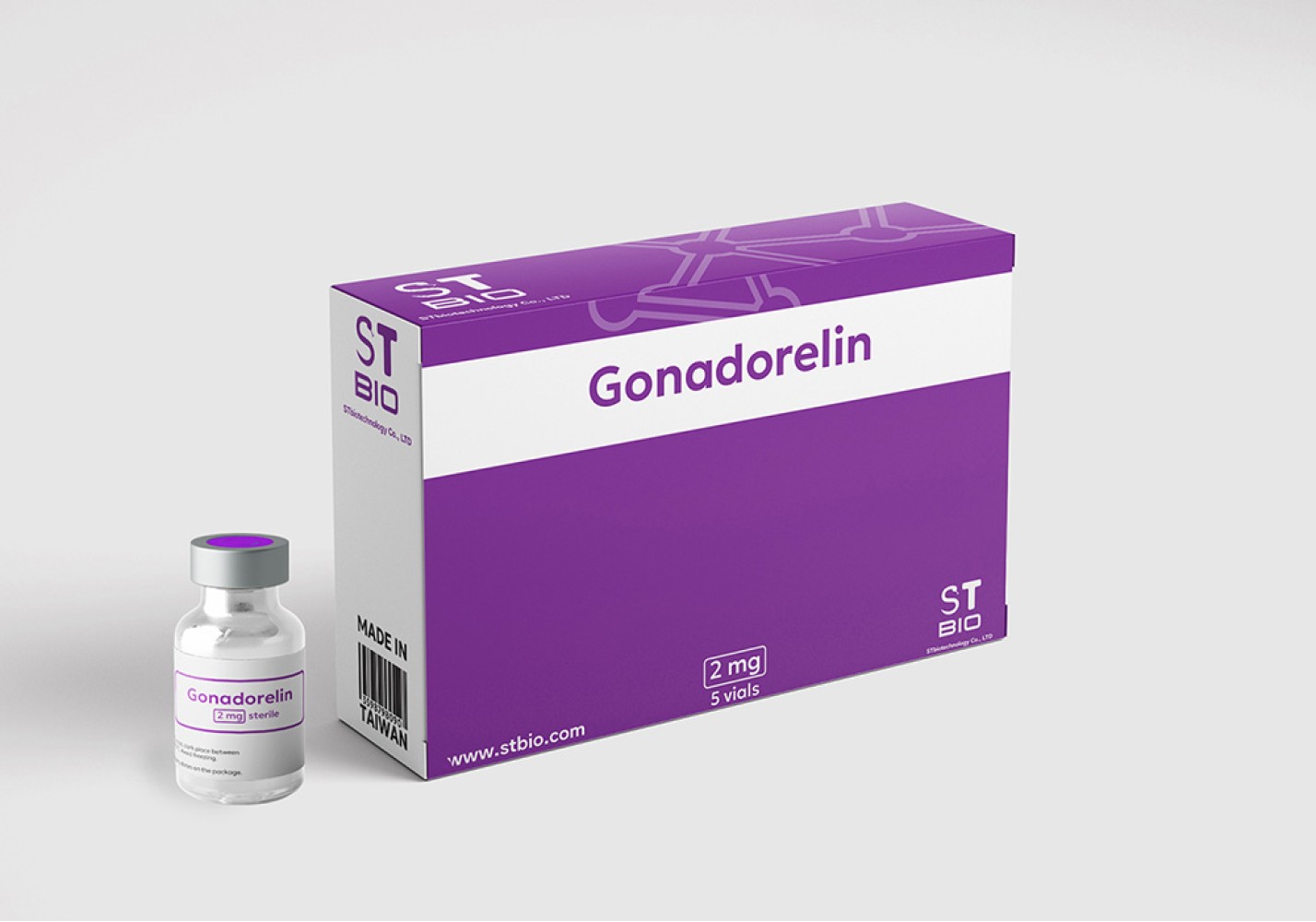
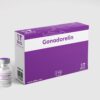
Gonadorelin
$39.00
Gonadorelin is a high-quality synthetic peptide designed to stimulate the natural release of gonadotropin-releasing hormone (GnRH), supporting optimal hormonal balance. Commonly used in research and clinical settings, it plays a key role in promoting the body’s natural production of luteinizing hormone (LH) and follicle-stimulating hormone (FSH).
Ideal for those focused on hormonal regulation and endocrine system support, Gonadorelin is valued for its targeted action and reliable performance. Manufactured under strict quality standards, it ensures purity, consistency, and effectiveness for advanced applications.
Key Benefits:
- Supports natural hormone signaling pathways
- Promotes LH and FSH release
- Helps maintain endocrine balance
- High purity, research-grade quality
 : Uses, Mechanism, Dosing Guidance, and What to Know Before You Buy
Gonadorelin injection is a synthetic form of gonadotropin-releasing hormone (GnRH), the same signaling molecule the hypothalamus naturally produces to regulate the reproductive system. Because it sits right at the top of the hormonal cascade that controls fertility and sex hormone production, this hormone has become, Gonadorelin an important tool in reproductive endocrinology, fertility treatment, and — increasingly — in testosterone replacement therapy (TRT) protocols where preserving natural testicular function matters. Gonadorelin Injection
This guide covers what this treatment is, how it works, its clinical applications, general usage information, safety considerations, and answers to the questions patients ask most often. We’ll also address a topic that comes up constantly in online forums and social media: the growing grey market for peptides and GLP-1 medications, and why that market poses real risks when it comes to a hormone-sensitive compound like this one.
What Is Gonadorelin Injection?
Gonadorelin is a decapeptide — a chain of ten amino acids — that is structurally identical to the GnRH your hypothalamus produces naturally. When released, GnRH travels to the pituitary gland and stimulates the release of two other hormones: luteinizing hormone (LH) and follicle-stimulating hormone (FSH). These two hormones then act on the gonads (testes in men, ovaries in women) to stimulate the production of testosterone, estrogen, and sperm or egg maturation.
Because this synthetic hormone essentially mimics this natural signal, it can be used both diagnostically (to test how well the pituitary responds) and therapeutically (to stimulate the reproductive axis when it has been suppressed or is underactive).
It’s worth being precise about terminology here, because it affects how the compound is used clinically. Gonadorelin itself is a “pulsatile” hormone — the body releases it in short bursts, not a continuous stream. This pulsatile pattern is part of what makes the downstream signaling work correctly. Continuous, non-pulsatile exposure to GnRH analogs (as seen with certain long-acting GnRH agonists used in other treatments) actually has the opposite effect and shuts the axis down. Gonadorelin, when dosed in a pulsatile fashion, does the opposite — it keeps the axis active.
How Gonadorelin Injection Works in the Body
To understand why this treatment matters clinically, it helps to walk through the hypothalamic-pituitary-gonadal (HPG) axis step by step:
- The hypothalamus releases GnRH in pulses.
- The pituitary gland senses these pulses and responds by secreting LH and FSH.
- LH travels to the testes (in men) and signals the Leydig cells to produce testosterone.
- FSH supports sperm production in men and follicular development in women.
- The gonads respond by producing sex hormones, which then feed back to the hypothalamus and pituitary to regulate the whole cycle.
When something interrupts this chain — whether it’s a pituitary disorder, hypothalamic dysfunction, or external testosterone suppressing natural production — the entire downstream cascade slows or stops. Gonadorelin injection re-introduces the initiating signal, prompting the pituitary to resume its normal output of LH and FSH, which in turn can help restore natural testosterone production and testicular function.
This is precisely why gonadorelin has found a role in the conversation around gonadorelin testosterone therapy. When men use exogenous testosterone for TRT, the body’s natural feedback loop senses adequate (or excess) testosterone and shuts down its own GnRH, LH, and FSH output. Over time, this can lead to testicular atrophy and a drop in natural sperm production. Some prescribers incorporate gonadorelin into a TRT protocol specifically to keep the HPG axis “awake” during treatment, helping maintain testicular size and endogenous function alongside exogenous testosterone.
Clinical and Therapeutic Uses
1. Diagnostic Testing
Gonadorelin injection has long been used in a clinical setting to assess pituitary function. By administering a measured dose and observing the pituitary’s LH and FSH response, clinicians can distinguish between hypothalamic and pituitary causes of hypogonadism — an important distinction for treatment planning.
2. Hypogonadotropic Hypogonadism
In cases where the hypothalamus isn’t producing adequate GnRH, pulsatile gonadorelin therapy can be used to stimulate the pituitary and restore the downstream hormone cascade, supporting both hormone production and, in some cases, fertility.
3. Fertility Support
Because this compound stimulates both LH and FSH, it plays a role in fertility protocols for men and women whose infertility stems from hypothalamic dysfunction, helping to stimulate sperm production in men and support ovulation induction in women.
4. Adjunct to Testosterone Replacement Therapy
This is one of the most talked-about applications today. Within a gonadorelin testosterone protocol, the goal isn’t to replace TRT — it’s to complement it. By maintaining pulsatile stimulation of the pituitary, gonadorelin may help preserve testicular volume, natural steroidogenesis, and fertility potential in men undergoing testosterone therapy, which is a common concern for younger patients or those who may want children in the future.
5. Post-Cycle Recovery Contexts
Some clinicians use gonadorelin or related GnRH-based approaches to help support recovery of the HPG axis after a period of hormone suppression. This is a nuanced, individualized area of treatment and should only be approached under medical supervision.
Usage Guidance: What to Expect
Because gonadorelin injection works through pulsatile stimulation, dosing schedules are quite different from a typical once-weekly hormone injection. Depending on the clinical goal, a prescriber may recommend:
- Diagnostic single-dose testing, done in a clinical setting with blood draws to measure LH/FSH response
- Pulsatile pump delivery, where a small programmable pump delivers micro-doses at set intervals (historically the gold standard for fertility-focused protocols)
- Scheduled subcutaneous injections, dosed multiple times per week, used in some TRT-adjunct protocols
Because appropriate dosing depends heavily on the underlying condition, body weight, treatment goals, and how the individual’s HPG axis responds, gonadorelin dosing is not something to self-determine. This is a hormone-cascade-initiating compound — too little may fail to produce a meaningful pituitary response, and inappropriate use outside clinical guidance can create hormonal imbalances that are difficult to predict without lab monitoring.
General best practices for anyone prescribed gonadorelin injection:
- Follow your prescriber’s exact dosing schedule and administration technique
- Store the medication according to the manufacturer’s instructions (typically refrigerated, and protected from light)
- Attend all scheduled bloodwork, since LH, FSH, and testosterone levels need to be tracked to confirm the treatment is working as intended
- Report any unusual symptoms — headache, injection site reactions, mood changes — to your prescriber promptly
- Never adjust your own dose based on how you feel; the hormonal feedback loop this medication interacts with is sensitive to timing and dosage
Storage and Handling
Proper storage matters more with peptide-based medications than with many other pharmaceuticals, because peptides are structurally fragile. Heat, light, and improper mixing can all degrade the compound before it ever reaches the bloodstream. General handling principles that apply to gonadorelin (always confirm specifics with the dispensing pharmacy or product insert) include:
- Refrigeration of the lyophilized (freeze-dried) powder prior to reconstitution, typically between 36°F and 46°F (2°C to 8°C)
- Protection from light, since UV exposure can break down peptide structure over time
- Reconstitution with the correct diluent, usually bacteriostatic water, added slowly and gently swirled rather than shaken, to avoid damaging the peptide chain
- Limited shelf life once reconstituted — most peptides, once mixed, should be used within a defined window (often two to four weeks) and kept refrigerated between uses
- Avoiding freeze-thaw cycles, which can degrade peptide integrity and reduce potency
This is another reason pharmacy sourcing matters. A licensed compounding pharmacy follows validated stability protocols and can tell you exactly how long your specific batch is good for and how it should be handled. Grey market sellers typically provide none of this — no batch-specific stability data, no verified diluent recommendations, and no accountability if the product degrades in transit.
Comparing Gonadorelin to Other Fertility and TRT-Adjunct Options
Patients researching options often come across a handful of related compounds and wonder how they differ:
hCG (human chorionic gonadotropin): hCG mimics LH directly, acting on the testes without involving the pituitary. It’s simpler to dose (no pulsatile requirement) and has a longer track record in TRT-adjunct protocols, but it bypasses the pituitary step entirely, which some prescribers see as a meaningful mechanistic difference. Gonadorelin, by contrast, works one level higher in the cascade, which some clinicians view as a more “physiologic” approach since it engages the pituitary’s natural regulatory role.
Clomiphene citrate (Clomid) / Enclomiphene: These are oral selective estrogen receptor modulators (SERMs) that work by blocking estrogen’s negative feedback on the hypothalamus, which increases GnRH, LH, and FSH output indirectly. They’re easier to administer (a pill rather than an injection) but work through a completely different mechanism and aren’t a direct substitute in every clinical scenario.
Leuprolide and other long-acting GnRH agonists: These are chemically related to gonadorelin but are designed for continuous (not pulsatile) receptor stimulation, which paradoxically suppresses the HPG axis rather than stimulating it — the opposite therapeutic goal. This is a good illustration of why dosing pattern, not just the molecule itself, determines the clinical effect.
Your prescriber will weigh these options against your specific goals — whether that’s diagnostic clarity, fertility preservation, or supporting the HPG axis alongside testosterone therapy — and may combine approaches depending on how your labs respond over time.
Safety Considerations
Gonadorelin is generally well tolerated in supervised clinical settings, but like any hormone-active compound, it carries considerations:
- Injection site reactions — mild redness, swelling, or irritation are the most commonly reported issues
- Headache or nausea — occasionally reported, usually mild
- Hormonal fluctuation — because this compound directly influences LH, FSH, and downstream sex hormones, unsupervised or inconsistent use can cause unpredictable hormonal swings
- Drug interactions — other hormone therapies, especially exogenous testosterone or estrogen, can interact with how the HPG axis responds to gonadorelin
- Contraindications — individuals with certain hormone-sensitive conditions should discuss risks thoroughly with their physician before starting treatment
None of this is a substitute for a conversation with a licensed prescriber who can review your labs, medical history, and treatment goals.
Why Sourcing Matters: Grey Market Peptides and GLP-1 Products
If you’ve spent any time in online fitness, biohacking, or TRT communities, you’ve likely come across a booming grey market for injectable peptides — including unregulated gonadorelin, along with GLP-1 medications like semaglutide and tirzepatide sold outside licensed pharmacy channels. These products are often marketed as “research chemicals,” sold without a prescription, and shipped from compounding operations or overseas suppliers with little to no regulatory oversight.
It’s worth being direct about the risks here:
- Purity and dosing accuracy aren’t guaranteed. Peptide products sold outside licensed pharmacies aren’t subject to the same testing, batch verification, or quality control as pharmacy-dispensed medication. Studies examining grey market peptide and GLP-1 products have repeatedly found inconsistencies between labeled and actual content.
- No clinical oversight. Gonadorelin works by directly manipulating a hormonal feedback loop. Without bloodwork to confirm how your body is responding, you’re essentially guessing — and hormonal missteps aren’t always easy to reverse.
- Legal grey areas. Many of these products are sold labeled “not for human consumption” specifically to sidestep pharmaceutical regulations, which means there’s no accountability if something goes wrong.
- Counterfeit risk. The explosive demand for GLP-1 medications in particular has fueled a wave of counterfeit and diverted products entering grey market channels — a pattern regulators and pharmacy boards have flagged repeatedly.
If you’re considering gonadorelin injection as part of a fertility protocol or a gonadorelin testosterone support plan, the safest path is to buy gonadorelin through a licensed pharmacy, on the basis of a valid prescription, with a physician actively monitoring your response through lab work. This isn’t just a compliance formality — it’s the mechanism that actually makes the treatment effective and safe. A hormone-cascade medication without dosing precision and monitoring isn’t a shortcut; it’s a gamble with a system your body depends on for a lot more than muscle or libido.
Frequently Asked Questions
What is gonadorelin injection used for? It’s used diagnostically to assess pituitary function, therapeutically to treat hypogonadotropic hypogonadism, to support fertility treatment, and as an adjunct in some testosterone replacement therapy protocols to help preserve natural testicular function.
How is gonadorelin different from testosterone? Testosterone is the end-product hormone; gonadorelin is the upstream signal that tells your body to produce it naturally (along with LH, FSH, and sperm production). This is the key distinction behind gonadorelin testosterone protocols — one supplies the hormone directly, the other stimulates your body’s own production pathway.
Can gonadorelin injection be used alongside TRT? Yes, this is one of its more common modern applications. It’s used by some prescribers specifically to keep the HPG axis active while a patient is on exogenous testosterone, which can help preserve testicular size and fertility potential.
Is gonadorelin injection the same as hCG? No. hCG mimics LH and acts directly on the testes. Gonadorelin acts a step earlier in the cascade, stimulating the pituitary to release LH and FSH itself. They’re used in overlapping contexts but work through different mechanisms.
How often is gonadorelin injection administered? Frequency depends entirely on the clinical goal — ranging from a single diagnostic dose to multiple pulsatile doses per day (via pump) to a few injections per week in some TRT-adjunct protocols. Your prescriber will determine the right schedule based on labs and treatment goals.
Are there side effects? Most commonly reported side effects are mild — injection site irritation, headache, or nausea. Because it affects the hormonal feedback loop, ongoing monitoring is important to catch any imbalance early.
Do I need a prescription to buy gonadorelin? In legitimate, safe use, yes. Because this medication directly affects a sensitive hormonal feedback system, it should only be used under medical supervision with appropriate lab monitoring — not sourced from unregulated grey market peptide sellers.
Why is grey market sourcing a concern specifically for this medication? Because this treatment works by initiating a hormonal cascade, inconsistent purity or incorrect dosing doesn’t just mean “it won’t work” — it can produce unpredictable hormonal effects that are hard to diagnose without clinical monitoring. The same caution applies to grey market GLP-1 products, where counterfeit and mislabeled products have been a documented, ongoing problem.
How long does it take to see results? This depends on the treatment goal — diagnostic testing produces results within hours (via bloodwork), while therapeutic use for fertility or hormonal support is typically evaluated over weeks to months, with regular lab monitoring to track LH, FSH, and testosterone trends.
Can women use gonadorelin? Yes. In women, gonadorelin can be used to support ovulation induction and to evaluate pituitary function in the context of certain fertility or hormonal conditions, always under the guidance of a reproductive endocrinologist or similar specialist.
What’s the difference between gonadorelin and hCG for TRT support? hCG acts directly on the testes by mimicking LH, while gonadorelin acts one step earlier, stimulating the pituitary to produce its own LH and FSH. Both are used in similar contexts, but the mechanisms — and therefore the monitoring approach — differ, so your prescriber will choose based on your labs and treatment history.
Does insurance typically cover this treatment? Coverage varies widely depending on diagnosis, whether it’s being used diagnostically or therapeutically, and individual insurance plans. Diagnostic use for confirmed pituitary or hypothalamic disorders is more likely to be covered than off-label use as a TRT adjunct. Check with your pharmacy benefits manager or prescriber’s office for specifics.
Can this be self-administered at home? In many protocols, yes — after proper training from a healthcare provider on reconstitution, dosing, and injection technique. Diagnostic testing, by contrast, is typically performed in a clinical setting under direct observation.
What happens if a dose is missed? Because the treatment relies on consistent, scheduled stimulation of the pituitary, missed doses can affect how well the protocol works. Don’t double up to “catch up” — contact your prescriber for guidance specific to your protocol.
What to Expect as a Patient
Every patient’s hormonal starting point is different, so responses to this treatment vary based on the underlying reason for treatment, baseline hormone levels, and how consistently the protocol is followed. Patients using it as part of a fertility protocol typically work closely with a reproductive endocrinologist and track progress through regular bloodwork and, where relevant, semen analysis or ovulation tracking. Patients using it as a TRT adjunct usually have testosterone, LH, and FSH monitored at intervals to confirm the protocol is supporting the intended goal of preserving natural testicular function.
Because individual experiences with any prescription hormone therapy vary so widely — and because publishing specific testimonials risks setting expectations that don’t reflect any one person’s actual physiology — the most reliable source of insight into how this therapy might work for you is a conversation with your prescribing physician, who can interpret your labs and adjust your protocol accordingly.
The Bottom Line
Gonadorelin injection occupies a unique place in reproductive and hormonal medicine — it doesn’t replace hormones directly, it restarts the body’s own signaling process. That makes it a valuable tool for fertility support, diagnostic testing, and as a companion to testosterone therapy for patients who want to preserve natural function. It also means precision matters: correct dosing, consistent monitoring, and a legitimate, prescription-based source aren’t optional extras — they’re what make the treatment work the way it’s designed to.
If you’re exploring whether gonadorelin injection is right for you, the right first step is a conversation with a licensed physician who can review your hormone panel, discuss your goals, and determine whether this treatment — potentially alongside a broader gonadorelin testosterone strategy — fits your situation. Buy gonadorelin only through a licensed pharmacy with a valid prescription, and steer clear of unregulated grey market peptide and GLP-1 sellers, where purity, dosing accuracy, and safety simply can’t be guaranteed.
This content is provided for informational purposes and does not constitute medical advice. Consult a licensed healthcare provider before starting or changing any hormone therapy.
| Dose | 2mg*10vials |
|---|
Be the first to review “Gonadorelin”
Related products
SEXUAL HEALTH/FERTILITY
SEXUAL HEALTH/FERTILITY
Reviews
There are no reviews yet.