GHRP-2 Bulk Supplier: A Complete Guide for Research Buyers
Sourcing GHRP-2 in bulk for laboratory or research purposes requires more than finding the lowest price. Purity documentation, cold-chain handling, batch consistency, and regulatory clarity all matter as much as cost per gram. This guide walks through what GHRP-2 is, how it’s studied, what to look for in a GHRP-2 bulk supplier, and how pricing and sourcing trends — including the rise of grey market peptide sales and the GLP-1 boom — are reshaping the research peptide industry.
This content is intended strictly for informational purposes related to laboratory and research applications. GHRP-2 is sold and distributed as a research chemical, not for human consumption, and nothing here constitutes medical, dosing, or self-administration advice.
What Is GHRP-2?
GHRP-2 (Growth Hormone Releasing Peptide-2), also known by its research designation pralmorelin, is a synthetic hexapeptide first developed in the 1980s as part of a broader research effort into ghrelin receptor agonists. It belongs to a class of compounds studied for their interaction with the growth hormone secretagogue receptor (GHSR), a pathway of ongoing interest in endocrinology and metabolic research.
In laboratory settings, GHRP-2 is used to investigate:
- Growth hormone secretion pathways and pulsatile release patterns
- Ghrelin receptor signaling and downstream effects on appetite-regulating hormones
- Structure-activity relationships in secretagogue peptide design
- Comparative studies against related compounds such as GHRP-6, Ipamorelin, and Hexarelin
- Assay development for peptide stability, receptor binding affinity, and degradation kinetics
Because GHRP-2 has a well-characterized mechanism and a long research history, it remains one of the more frequently ordered secretagogue peptides among labs studying the GH/IGF-1 axis.
Why Buyers Look for a GHRP-2 Bulk Supplier
Individual researchers or small labs often start with single-vial purchases. But institutions running multi-arm studies, contract research organizations (CROs), or peptide resellers typically need larger quantities — which is where a dedicated GHRP-2 bulk supplier becomes relevant.
Buying in bulk offers several practical advantages:
Cost efficiency. Per-milligram pricing drops substantially at scale. A supplier quoting by the gram or kilogram, rather than per 5mg or 10mg vial, can reduce costs significantly for high-volume research programs.
Batch consistency. Ordering a single large batch reduces lot-to-lot variability compared to purchasing multiple smaller batches over time, which matters for studies requiring reproducible results.
Reduced administrative overhead. Fewer transactions mean fewer certificates of analysis to track, fewer shipping events, and simpler inventory management for labs running ongoing protocols.
Supply chain reliability. A bulk relationship with a verified supplier reduces the risk of stockouts mid-study, which can be costly when experiments depend on a consistent peptide source.
That said, bulk purchasing raises the stakes on supplier due diligence. A bad batch at small scale is an inconvenience; a bad batch at bulk scale can compromise months of research and represent a significant financial loss.
What to Evaluate Before Choosing a GHRP-2 Bulk Supplier
Not all suppliers marketing themselves as a GHRP-2 bulk supplier operate to the same standard. Buyers evaluating options should look closely at the following:
1. Third-Party Certificates of Analysis (COAs)
A reputable supplier provides COAs from independent, accredited laboratories — not just in-house testing. The COA should report:
- Purity percentage via HPLC (high-performance liquid chromatography)
- Mass spectrometry confirmation of molecular identity
- Peptide content (accounting for salt/counter-ion mass, moisture content, and acetate/TFA residue)
- Batch or lot number matching the shipped product
2. Manufacturing Transparency
Ask where the peptide is synthesized, what synthesis method is used (solid-phase peptide synthesis is standard), and whether the facility follows any quality management framework such as ISO certification. Suppliers unwilling to answer basic manufacturing questions are a red flag.
3. Cold Chain and Packaging
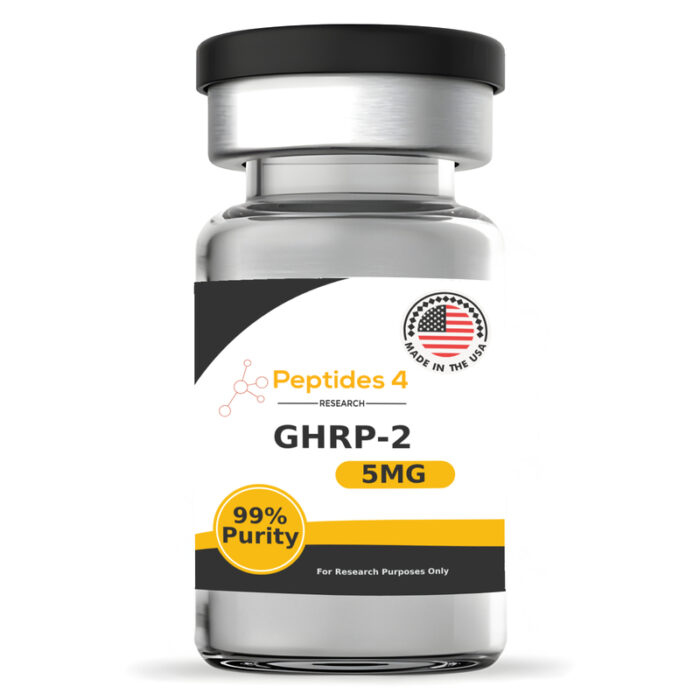
GHRP-2 is a lyophilized (freeze-dried) peptide that degrades faster when exposed to heat, light, and moisture. Bulk shipments should arrive with appropriate desiccant packaging and, depending on climate and transit time, cold-pack shipping. Ask suppliers how they handle summer shipping to warmer regions.
4. Labeling and Legal Compliance
Legitimate suppliers label GHRP-2 clearly as “for research use only, not for human or veterinary use.” This isn’t just a formality — it reflects the actual regulatory status of the compound in most jurisdictions, where GHRP-2 has not been approved by agencies like the FDA or EMA for human therapeutic use. A supplier that markets dosing protocols for personal use alongside “research only” labeling is signaling a mismatch between how the product is labeled and how it’s actually being marketed.
5. Minimum Order Quantities and Pricing Tiers
Ask for a tiered pricing sheet. A transparent GHRP-2 bulk supplier should be able to show clear price breaks at defined quantity thresholds (e.g., 1g, 5g, 10g, 25g+) rather than negotiating opaque one-off deals.
Understanding GHRP-2 Peptide Price
GHRP-2 peptide price varies considerably based on several factors, and buyers should understand what drives that variation before comparing quotes across suppliers.
Purity threshold. Peptide priced at ≥98% purity commands a premium over lower-purity stock. Some suppliers cut costs by offering 95–97% purity peptide without clearly disclosing the difference — always confirm the purity tier attached to a quoted price.
Order volume. As noted above, per-unit price drops sharply with volume. A supplier’s published price per 5mg vial is not a reliable predictor of their per-gram bulk rate; always request a dedicated bulk quote.
Synthesis capacity and lead time. Suppliers with in-house synthesis capacity can generally offer more stable pricing than resellers who are themselves sourcing from a third party and marking up the cost. Resold peptide often carries less transparent sourcing and higher price volatility.
Currency and import factors. A large share of global peptide manufacturing capacity is concentrated in a handful of regions, meaning currency fluctuations, tariffs, and shipping costs materially affect landed price, particularly for buyers ordering internationally.
Market-wide demand pressure. Broader increases in demand for research peptides — driven in part by the GLP-1 peptide boom (discussed below) — have pushed manufacturing capacity and reagent costs up across the peptide sector generally, which has had some knock-on effect on pricing for adjacent compounds like GHRP-2, even though GHRP-2 and GLP-1 agonists are chemically and functionally unrelated.
Buyers should treat unusually low pricing with caution. A quote significantly below the going market rate for verified, third-party-tested GHRP-2 often signals a compromise somewhere — lower purity, non-independent testing, or product substitution.
Finding GHRP-2 Peptide for Sale: What Legitimate Sourcing Looks Like
When searching for GHRP-2 peptide for sale, buyers generally encounter three categories of seller:
1. Established research chemical suppliers. These companies operate openly, provide COAs by default, list batch numbers, and are typically responsive to technical questions about synthesis and storage. They usually have a track record and reviews or references from institutional buyers.
2. Marketplace resellers. These sit between the manufacturer and the buyer, often selling smaller quantities sourced from a larger bulk supplier. Pricing is usually higher per milligram, and traceability back to the original manufacturer can be harder to confirm.
3. Unverified or grey market sellers. These operate with minimal transparency, often through social media, forums, or marketplaces with limited seller accountability. This tier is where quality control, legal compliance, and product authenticity are hardest to verify — and where the risks to both research validity and buyer liability are highest.
For buyers seeking GHRP-2 peptide for sale at scale, the safest approach is to work directly with a manufacturer or an established distributor with a verifiable manufacturing relationship, rather than defaulting to whichever listing shows the lowest price.
The Grey Market Peptide Landscape
The peptide industry — GHRP-2 included — exists alongside a substantial grey market: a space where compounds labeled “research use only” are sold and, in practice, frequently purchased by individuals for off-label personal use rather than laboratory research. This isn’t unique to GHRP-2; it’s a pattern that spans much of the peptide category, from growth hormone secretagogues to, more recently, GLP-1 receptor agonists.
A few dynamics are worth understanding:
The labeling gap. “Research use only” is a legitimate and, in most jurisdictions, legally required label for unapproved compounds sold without a prescription. But because enforcement of end use is difficult, a wide gap has opened between how products are labeled and how they’re actually marketed and consumed by a portion of buyers. This gap is a core feature of the grey market, not a loophole unique to any one supplier.
Quality variability is higher. Because grey market channels often lack consistent oversight, purity and identity verification vary far more widely than among established research suppliers. Independent testing of grey market peptide products has repeatedly found discrepancies between labeled and actual content across various compounds.
Regulatory attention is increasing. As demand for peptides sold through informal channels has grown — accelerated significantly by consumer interest in GLP-1 peptides — regulators in multiple countries have increased scrutiny of compounding pharmacies, online sellers, and import channels. Buyers and suppliers operating in this space should expect continued regulatory tightening rather than stability.
GLP-1 peptides as the market’s accelerant. The surge in demand for GLP-1 receptor agonists (compounds related to the semaglutide and tirzepatide class) for off-label weight management has dramatically expanded the entire grey market peptide ecosystem. This has had spillover effects across the broader research peptide category: more manufacturing capacity has come online, more sellers have entered the space, logistics networks have matured, and — as noted above — general pricing and demand pressure across the peptide market has shifted. GHRP-2, while mechanistically distinct from GLP-1 agonists, is sold through many of the same supplier networks and has been affected by these broader market currents.
For a GHRP-2 bulk supplier operating transparently, the practical takeaway is that clear labeling, verifiable testing, and explicit “research use only” positioning aren’t just compliance checkboxes — they’re what differentiate a credible supplier from the grey market noise surrounding the category.
Storage, Handling, and Stability
Proper storage is a frequent point of confusion for new research buyers, and it affects both product integrity and study reproducibility.
- Lyophilized (powder) form: Store at -20°C for long-term stability; short-term storage at 2–8°C (refrigerated) is generally acceptable for periods of weeks. Powder form is significantly more stable than reconstituted solution.
- Reconstituted solution: Once reconstituted with an appropriate diluent (typically bacteriostatic water in research settings), stability drops substantially. Reconstituted peptide should be stored refrigerated and used within the timeframe indicated by the supplier’s stability data — typically a matter of weeks, not months.
- Light sensitivity: Peptides should be stored in amber or opaque containers, away from direct light, which can accelerate degradation.
- Freeze-thaw cycles: Repeated freezing and thawing of reconstituted peptide degrades structural integrity and should be avoided; aliquoting before freezing is standard lab practice.
- Shipping: Bulk shipments should include desiccant and, for warm climates or longer transit windows, cold packaging to preserve lyophilized stability during transport.
Buyers should request the supplier’s specific stability data rather than relying on generic peptide storage guidelines, since degradation rates vary by formulation, salt form, and packaging.
Frequently Asked Questions
What is GHRP-2 used for in research? GHRP-2 is primarily used in laboratory studies of the growth hormone secretagogue receptor pathway, including growth hormone release dynamics, ghrelin receptor pharmacology, and comparative peptide studies. It is not approved for human therapeutic use in most jurisdictions.
Is GHRP-2 legal to purchase? GHRP-2 is legal to purchase in many jurisdictions when sold and labeled as a research chemical, not for human consumption. Legal status varies by country and by intended use, so buyers should confirm applicable regulations in their own jurisdiction before ordering, particularly for import.
What purity level should I look for? Most research applications call for ≥98% purity, verified by third-party HPLC and mass spectrometry testing. Always request the COA for the specific batch being shipped, not a generic COA from an older lot.
How is GHRP-2 peptide price typically structured for bulk orders? Bulk pricing is usually tiered by quantity — for example, distinct price points at 1g, 5g, 10g, and 25g+ — with per-milligram cost decreasing at each tier. Always request a formal bulk quote rather than extrapolating from small-vial pricing.
What’s the difference between buying from a manufacturer versus a reseller? Manufacturers typically offer more stable pricing, direct access to batch documentation, and shorter supply chains. Resellers may offer smaller minimum order quantities but usually at a price premium, with less direct traceability to the original manufacturing batch.
How do I verify a GHRP-2 bulk supplier is legitimate? Request third-party COAs tied to specific batch numbers, ask about synthesis method and facility, check for consistent “research use only” labeling, and look for a verifiable business history — registered business entity, consistent contact information, and ideally references from institutional buyers.
Why does GHRP-2 peptide price fluctuate over time? Pricing shifts with raw material costs, manufacturing capacity, currency exchange rates, and overall demand across the peptide sector — including indirect pressure from unrelated but adjacent categories like GLP-1 peptides, which have significantly increased overall demand for peptide manufacturing capacity.
Is GHRP-2 peptide for sale through grey market channels the same quality as through verified suppliers? Not reliably. Grey market channels generally lack consistent independent testing, and purity or identity discrepancies are more commonly reported in these channels than among suppliers who provide verifiable, batch-specific third-party COAs.
What documentation should accompany a bulk order? At minimum: a certificate of analysis from an independent lab, batch/lot number, synthesis date, and clear “research use only” labeling. Larger institutional buyers may also want a safety data sheet (SDS) and confirmation of the supplier’s business registration.
How should reconstituted GHRP-2 be stored in a lab setting? Refrigerated (2–8°C), used within the supplier’s recommended stability window, and protected from light and repeated freeze-thaw cycles. Aliquoting before storage helps preserve integrity across a multi-week study.
Choosing the Right Partner
The research peptide market has grown quickly, and the number of suppliers marketing themselves as a GHRP-2 bulk supplier has grown with it — not all to the same standard. The compounds driving the sector’s overall growth, particularly GLP-1 peptides, have brought more attention, more manufacturing capacity, and unfortunately more inconsistency into the broader grey market peptide space.
For research institutions and serious buyers, the fundamentals haven’t changed: verify purity independently, confirm clear and consistent “research use only” labeling, understand what’s actually driving the GHRP-2 peptide price you’re being quoted, and favor suppliers who can answer manufacturing questions directly rather than deflecting them. A supplier who is transparent about sourcing, testing, and limitations is a far better long-term partner than one simply offering the lowest number on a quote for GHRP-2 peptide for sale.


Reviews
There are no reviews yet.