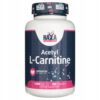
L-Carnitine
$50.00
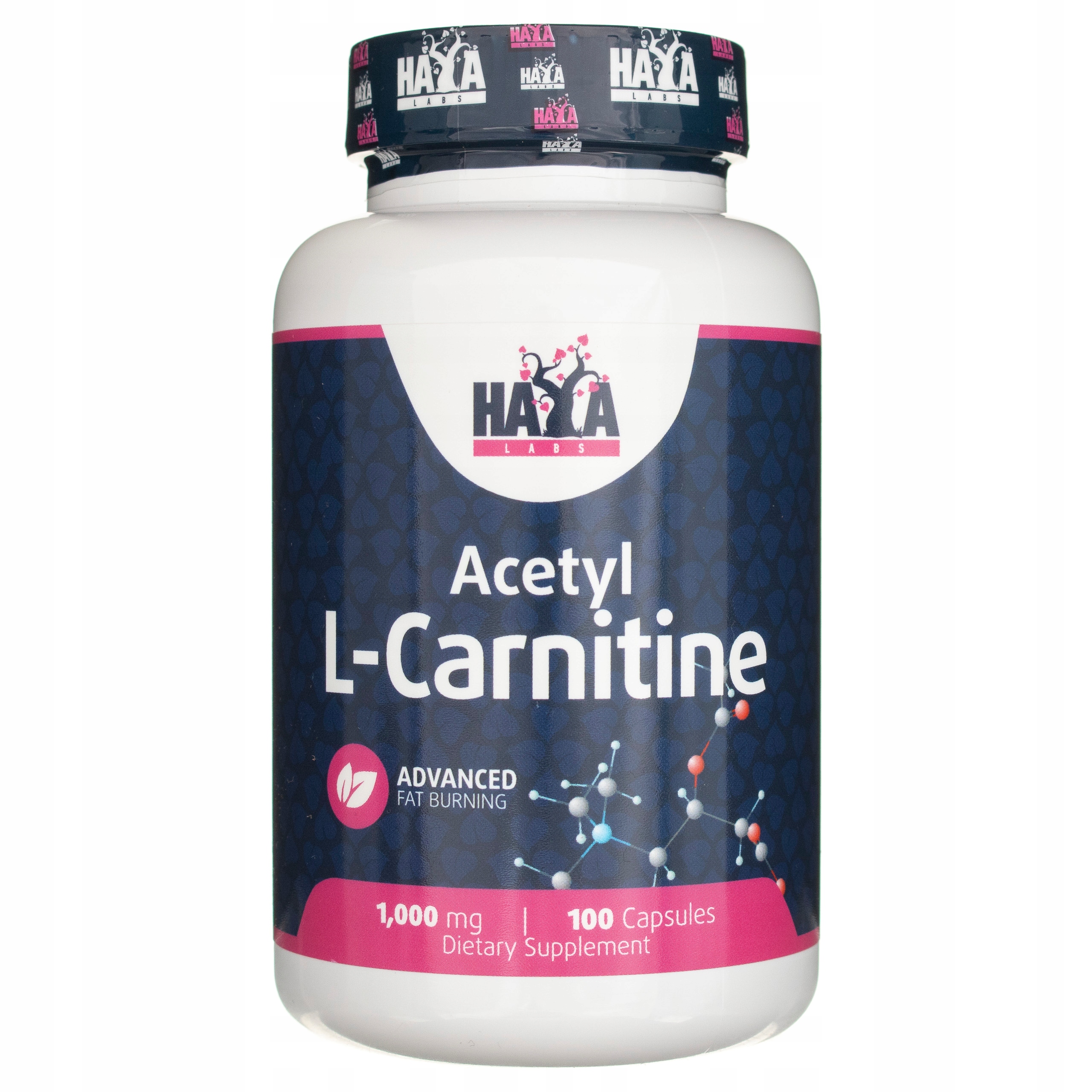
 L-Carnitine is a high-quality amino acid derivative designed to support natural energy production and fat metabolism within the body. Widely used in wellness and fitness routines, it helps transport fatty acids into the mitochondria where they are converted into usable energy, making it a popular choice for those focused on performance, endurance, and body composition goals.
This premium-grade L-Carnitine formula is ideal for individuals looking to enhance workout efficiency, reduce fatigue, and support overall metabolic health. Fast-absorbing and easy to incorporate into daily supplementation, it fits seamlessly into active lifestyles and cutting-edge peptide wellness protocols.
Key Benefits:
- Supports fat metabolism and energy production
- May improve exercise performance and endurance
- Helps reduce feelings of fatigue
- Supports overall metabolic function
Perfect for athletes, fitness enthusiasts, and advanced wellness users seeking clean, effective metabolic support.
L-Carnitine for Fat Burning: The Complete Guide to Usage, Benefits, and Buying Smart
If you’ve hit a plateau in your fat-loss journey despite consistent workouts and clean eating, you’ve probably come across L-Carnitine for fat burning in your research. It’s one of the most talked-about supplements in the fitness and weight-management space — but also one of the most misunderstood. This guide breaks down exactly how L-Carnitine works, how to use it properly, what real users report, and what to look for before you buy L-Carnitine from any seller online.
What Is L-Carnitine, and Why Does It Matter for Fat Loss?
L-Carnitine is a naturally occurring amino acid derivative, synthesized in the liver and kidneys from the amino acids lysine and methionine. Its primary biological role is transporting fatty acids into the mitochondria — the “powerhouse” of your cells — where those fats are oxidized (burned) for energy.
In simple terms: no matter how much fat you want your body to burn, that fat has to physically get into your mitochondria first. L-Carnitine is one of the key transport molecules that makes that happen. Without adequate carnitine levels, fatty acid oxidation becomes less efficient, which is part of why so many people turn to supplementation when trying to improve body composition.
While your body produces some carnitine naturally and you can get more from red meat and dairy, supplementation has become popular because:
- Vegetarians and vegans typically have lower baseline carnitine levels
- Dietary intake alone often isn’t enough to significantly raise blood carnitine during periods of intense training or caloric restriction
- Research suggests supplementation may support fat oxidation, exercise recovery, and reduced muscle soreness when combined with exercise
The Science Behind L-Carnitine for Fat Burning
It’s important to set realistic expectations. L-Carnitine is not a magic fat-loss pill — no supplement is. What the research does suggest is more nuanced:
- Several clinical trials have shown modest improvements in fat oxidation and body composition when L-Carnitine is combined with resistance or endurance training
- Carnitine supplementation appears to support faster recovery and reduced exercise-induced muscle damage, which indirectly supports more consistent training — a major factor in long-term fat loss
- Some studies indicate improved insulin sensitivity with carnitine supplementation, which may support better nutrient partitioning (using calories for muscle and energy rather than fat storage)
In short, L-Carnitine works best as a supporting tool alongside a genuine caloric deficit and consistent exercise — not as a standalone solution.
Types of L-Carnitine: Which One Should You Choose?
Not all carnitine supplements are created equal. Here are the most common forms available when you search for L-Carnitine for fat burning:
- L-Carnitine L-Tartrate — Popular in pre-workout and fat-burning formulas; well-absorbed and often used by athletes.
- Acetyl L-Carnitine (ALCAR) — Crosses the blood-brain barrier more readily, often chosen for cognitive benefits alongside fat metabolism support.
- Propionyl L-Carnitine — Frequently studied for cardiovascular and circulatory support.
- L-Carnitine Injections — Deliver the compound directly into the bloodstream or muscle tissue, bypassing digestive absorption limits and offering faster onset for some users.
How to Use L-Carnitine: A Step-by-Step Guide
Note: This is general educational information, not medical advice. Talk to a healthcare provider before starting any new supplement, especially if you have a pre-existing medical condition or take prescription medication.
- Choose your form. Capsules and liquid drops are the most beginner-friendly; injections are typically reserved for those seeking faster absorption or under professional guidance.
- Time it around training. Many users take L-Carnitine 30–60 minutes before exercise to align peak blood levels with the period of highest fat-oxidation demand.
- Start with a moderate dose. Common oral dosing ranges from 500mg to 2,000mg per day, typically split into one or two doses.
- Pair it with carbohydrates. Some research suggests insulin helps drive carnitine into muscle tissue, so taking it with a small carb-containing meal may improve uptake.
- Stay consistent. Unlike stimulants, L-Carnitine’s benefits build over weeks of consistent training and supplementation — it’s not a same-day fat burner.
- If using injections, follow proper technique. Clean the injection site with an alcohol swab, use a sterile needle each time, inject into an appropriate muscle site (commonly the glute or thigh), and dispose of needles in an FDA-approved sharps container.
- Track your progress. Pair supplementation with measurable markers — body composition, strength progression, or waist circumference — rather than relying on the scale alone.
- Cycle if needed. Some users take periodic breaks (e.g., 8 weeks on, 2 weeks off) though evidence for cycling carnitine specifically is limited; this is more of a personal preference strategy.
L-Carnitine Injections vs. Oral Supplements
This is one of the most common questions people have once they start comparing options for L-Carnitine for fat burning. Oral L-Carnitine has notoriously low bioavailability — some studies estimate as little as 5-18% absorption, especially at higher doses, because much of it is metabolized by gut bacteria before it ever reaches the bloodstream.
Injectable L-Carnitine bypasses this issue entirely, delivering a much higher percentage of the dose directly into circulation. This is why so many people specifically search for L-Carnitine shots near me instead of settling for another bottle of capsules — the perceived (and often measured) efficiency difference is significant enough that many trainers and clinics offer injectable carnitine as part of body-composition programs.
That said, injections require more careful sourcing, sterile technique, and — ideally — guidance from a knowledgeable provider, especially for first-time users.
What to Look for Before You Buy L-Carnitine
The supplement market is crowded, and not every product labeled “fat burner” contains what it claims. Before you buy L-Carnitine — capsules, liquid, or injectable — check for:
- Third-party testing (NSF Certified for Sport, Informed Choice, or similar)
- Clearly labeled dosage per serving, ideally matching amounts used in clinical research (500mg–2,000mg range)
- Transparent sourcing — pharmaceutical-grade or USP-verified ingredients
- No proprietary blends that hide actual dosages behind vague labeling
- Sterile, tamper-evident packaging for any injectable product
- Manufacturer transparency about facility certifications (GMP-compliant is a good baseline)
A Note on the Grey Market: L-Carnitine vs. GLP-1 Peptides
It’s worth drawing a clear line here, because the online injectable-supplement space has become increasingly blurred in recent years. L-Carnitine is a naturally occurring compound your body already produces, with a long track record of safety data at typical supplemental doses. Reputable sellers can offer it, in oral or injectable form, through legitimate, regulated channels.
That’s a fundamentally different situation from the grey market peptides and unregulated GLP-1 products (like unapproved semaglutide or tirzepatide) currently circulating online. These are prescription medications in most countries, meant to be prescribed, dosed, and monitored by a licensed provider. When sold outside that system — often from unregulated compounding sources or overseas labs — they’ve been associated with contamination, incorrect dosing, and adverse events reported to poison control centers and regulatory agencies.
If you’re comparing sellers for anything injectable, hold every product to the same bar: verified sourcing, lab testing, and — for anything beyond a well-established compound like carnitine — genuine medical oversight. A trustworthy carnitine seller should be upfront about this distinction rather than blurring the line between a low-risk supplement and a prescription-only drug being sold through unofficial channels.
Frequently Asked Questions
1. How long does it take for L-Carnitine to start working for fat loss? Most research suggests it takes several weeks of consistent use combined with exercise before measurable changes in body composition appear. It is not a fast-acting stimulant-style fat burner.
2. What’s the best time to take L-Carnitine for fat burning? Many users take it 30–60 minutes before exercise to align peak carnitine availability with periods of increased fat oxidation demand during training.
3. Are L-Carnitine injections more effective than pills? Injections bypass digestive absorption limitations, often resulting in significantly higher bioavailability compared to oral capsules or liquid forms, which is why many people search specifically for L-Carnitine shots near me rather than sticking with oral options.
4. Is L-Carnitine safe to take daily? At typical supplemental doses (500mg–2,000mg/day), L-Carnitine has a strong safety profile. Some users report mild digestive discomfort at higher doses. As always, consult a healthcare provider, particularly if you have kidney disease or a seizure disorder.
5. Can L-Carnitine help you lose weight without exercise? Evidence for fat-loss benefits is strongest when L-Carnitine is combined with regular exercise. On its own, without training or dietary changes, effects on weight are minimal.
6. What foods contain L-Carnitine naturally? Red meat is the richest natural source, followed by dairy products, poultry, and fish. Plant-based sources contain very little, which is part of why vegetarians and vegans often consider supplementation.
7. Where can I find L-Carnitine shots near me? Many wellness clinics, med spas, and IV therapy centers offer L-Carnitine injections as part of body-composition or energy-support programs. If you prefer at-home use, look for licensed online suppliers with transparent lab testing and sourcing.
8. Does Acetyl L-Carnitine work differently than regular L-Carnitine? Acetyl L-Carnitine crosses the blood-brain barrier more efficiently, making it popular for cognitive support alongside its metabolic benefits, while standard L-Carnitine or L-Carnitine L-Tartrate is more commonly used specifically for athletic and fat-oxidation purposes.
9. Are there side effects to watch for? The most commonly reported side effects are mild — nausea, stomach upset, or a fishy body odor at higher oral doses (caused by trimethylamine production). Injection-site soreness or redness is possible with injectable forms.
10. What should I look for before I buy L-Carnitine online? Prioritize third-party tested products, transparent dosing information, and manufacturers that disclose their sourcing and manufacturing standards. Avoid proprietary blends that obscure the actual amount of active ingredient per serving.
Sample Testimonials
The examples below illustrate the type of feedback commonly reported by L-Carnitine users. Replace this section with your own verified, real customer reviews before publishing — presenting fabricated testimonials as genuine customer feedback isn’t something we’d recommend, both for FTC/legal compliance and because authentic reviews build far more trust and convert better long-term.
“I’d hit a plateau for months. Adding this into my pre-workout routine alongside my usual training made a noticeable difference in how my body composition changed over about two months.” — Example testimonial format
“I was skeptical about another ‘fat burning’ supplement, but the difference in recovery time between sessions was the first thing I noticed.” — Example testimonial format
“Switching to the injectable form made a bigger difference than the capsules ever did for me — I felt like I was actually absorbing it this time.” — Example testimonial format
Final Takeaway
L-Carnitine remains one of the more well-researched supplements for supporting fat oxidation, exercise recovery, and metabolic efficiency — but it works best as part of a broader strategy that includes consistent training and a genuine caloric deficit, not as a standalone shortcut. Whether you’re researching L-Carnitine for fat burning, looking up L-Carnitine shots near me, or getting ready to buy L-Carnitine for the first time, prioritize sellers who are transparent about sourcing, dosage, and third-party testing.
And as you evaluate other injectable wellness products along the way, apply that same scrutiny across the board — particularly to anything sold outside standard pharmacy or medical channels. L-Carnitine has decades of safety data behind it as a naturally occurring compound; not every injectable trending online can make that same claim.
This content is for informational purposes only and does not constitute medical advice. Consult a licensed healthcare provider before starting any new supplement or injectable regimen.
| Dose | 600mg*10vials |
|---|
Be the first to review “L-Carnitine”
Related products
MUSCLE GROWTH/BODYBUILDING/RECOVERY
WEIGHT LOSS
WEIGHT LOSS
WEIGHT LOSS
WEIGHT LOSS
WEIGHT LOSS
Reviews
There are no reviews yet.