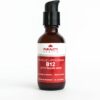
B12
$28.00
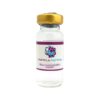
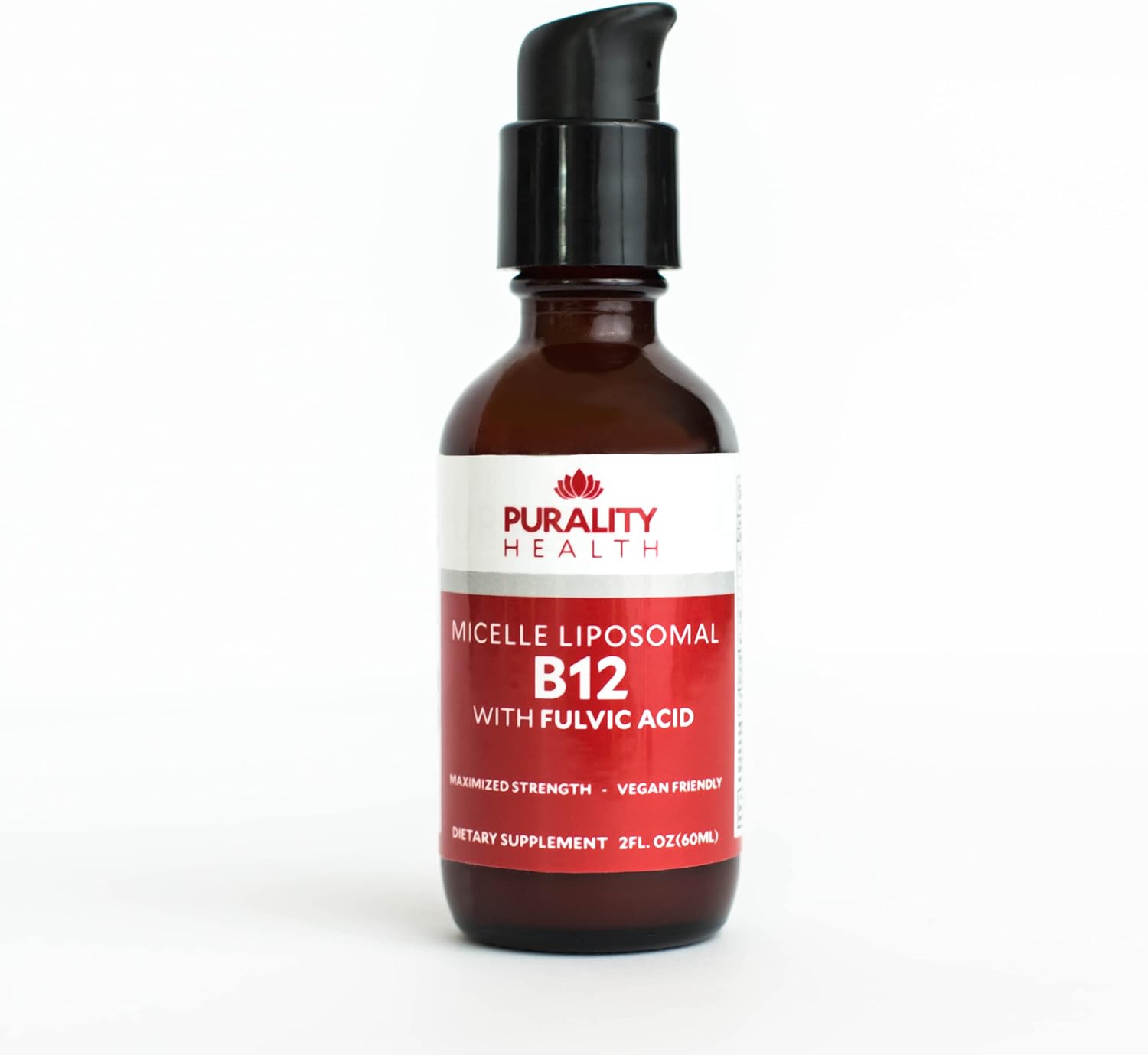
 B12 Peptide Complex is a revitalizing formula designed to support skin renewal and overall vitality. Infused with vitamin B12 and advanced peptide blends, it helps promote a brighter, more even-toned appearance while enhancing hydration and skin resilience. Lightweight and fast-absorbing, this formula works to refresh dull, tired-looking skin and support a healthy, radiant glow with consistent use.
B12 Injections for Sale: Your Complete Guide to Boosting Energy, Focus, and Wellness
B12 injections for sale Feeling drained by 2 p.m. even after a full night’s sleep? Struggling to concentrate, recover from workouts, or shake off that persistent brain fog? You’re not alone — and a simple vitamin deficiency could be the hidden culprit. If you’ve been searching for B12 injections for sale, you’ve landed in the right place. This guide walks you through everything you need to know: how B12 injections work, who they’re for, how to use them safely, where to get B12 shots, and what real customers experience when they make the switch from oral supplements to injectable B12.
Why Vitamin B12 Matters More Than You Think
Vitamin B12 (cobalamin) is a water-soluble nutrient your body needs for nearly every major system to function properly. It plays a critical role in:
- Red blood cell formation — preventing megaloblastic anemia and fatigue
- Neurological function — supporting nerve health, myelin sheath production, and cognitive clarity
- DNA synthesis — essential for cell division and tissue repair
- Energy metabolism — converting food into usable cellular energy
- Mood regulation — B12 is involved in the production of serotonin and dopamine
The problem is that a surprising number of people are deficient without realizing it. Vegetarians and vegans, older adults, people with gastrointestinal conditions (like Crohn’s disease or celiac disease), individuals on certain medications (like metformin or proton pump inhibitors), and heavy drinkers are all at elevated risk. Even people who eat plenty of animal products can struggle to absorb B12 properly if they have low stomach acid or intrinsic factor deficiency — a condition that blocks B12 absorption in the gut entirely.
This is where injectable B12 changes the equation.
Why Choose Injections Over Oral Supplements?
Oral B12 tablets rely on your digestive system to absorb the nutrient, and absorption rates can be as low as 1–2% for people with compromised gut health. That’s a lot of wasted supplementation. B12 injections bypass the digestive tract entirely, delivering the vitamin directly into the bloodstream or muscle tissue for near-complete bioavailability.
This is exactly why so many people move on from tablets and start searching for B12 injections for sale instead of another bottle of pills that may or may not actually be absorbed. If you’ve ever wondered where to get B12 shots that actually work, the answer usually comes down to bypassing oral absorption issues altogether.
Common forms of injectable B12 include:
- Cyanocobalamin — the most common, stable, and affordable synthetic form
- Methylcobalamin — the “active” coenzyme form, often preferred for neurological support
- Hydroxocobalamin — longer-lasting in the bloodstream, sometimes used for more severe deficiencies
Who Typically Uses B12 Injections?
- People diagnosed with a clinical B12 deficiency or pernicious anemia
- Vegetarians and vegans who don’t get B12 from diet
- Older adults with reduced stomach acid production
- Athletes and active individuals looking to support energy metabolism and recovery
- People experiencing chronic fatigue, brain fog, or low mood
- Individuals recovering from bariatric surgery or with malabsorption conditions
- Anyone whose lab work shows low or borderline B12 levels
If any of this sounds familiar, it’s worth talking to a healthcare provider about testing your levels before you buy vitamin B12 in injectable form. A simple blood test can confirm whether supplementation is right for you and help determine the appropriate dose and frequency.
How to Use B12 Injections: A Step-by-Step Overview
Note: The following is general educational information, not medical advice. Always follow the specific instructions provided by your healthcare provider or pharmacist, and consult a medical professional before starting any injectable supplement regimen.
- Confirm the need. Ideally, get a blood test to confirm B12 deficiency or insufficiency before starting.
- Choose the right form. Methylcobalamin is often preferred for neurological symptoms; cyanocobalamin is a cost-effective general-purpose option.
- Select injection type. Most B12 shots are administered intramuscularly (IM) into the thigh, upper arm, or glute, though subcutaneous (SubQ) injections are also common and generally more comfortable for self-administration.
- Prepare the injection site. Clean the area with an alcohol swab and allow it to dry.
- Draw the correct dose. Typical doses range from 1,000 mcg to 5,000 mcg depending on the severity of deficiency and provider recommendation.
- Administer the injection. Insert at the appropriate angle (90 degrees for IM, 45 degrees for SubQ), inject slowly, and withdraw smoothly.
- Dispose of needles safely. Use an FDA-cleared sharps container — never toss needles in regular household trash.
- Track your schedule. Many people start with more frequent dosing (e.g., weekly) during initial correction of a deficiency, then move to a maintenance schedule (e.g., monthly) once levels normalize.
What Makes a Quality Provider When You’re Ready to Buy Vitamin B12
Not all B12 products are created equal, and this matters a lot once you start comparing B12 injections for sale across different sellers. Before you buy vitamin B12 online or in person, look for:
- Third-party lab testing for purity and potency
- USP-grade or pharmaceutical-grade ingredients
- Clear sourcing and manufacturing transparency (ideally FDA-registered facilities)
- Proper sterile packaging — single-use vials or multi-dose vials with tamper-evident seals
- Clear dosing instructions and ingredient concentration on the label
- Responsive customer support for dosing questions or adverse reactions
Skipping these checks is how people end up with underdosed, contaminated, or mislabeled products — a real risk in the broader injectable supplement space, and one you should be just as cautious about when shopping around for B12 as you would with any other injectable product.
A Note on the Grey Market: Why B12 Isn’t the Same as GLP-1 Peptides
It’s worth addressing something directly, since the online injectable-supplement space has gotten murkier in recent years: B12 is a well-established, low-risk, water-soluble vitamin with decades of safety data, and reputable sellers can legally offer it as a dietary supplement in most regions.
That’s a very different situation from the and GLP-1 products (like unapproved semaglutide or tirzepatide compounds) that have flooded online marketplaces. These are frequently sold without proper prescribing oversight, sourced from unregulated compounding operations or overseas labs, and have been linked to dosing errors, contamination, and adverse reactions reported to poison control centers and the FDA. Unlike B12, GLP-1 medications are prescription drugs in most countries, meant to be dosed and monitored by a licensed provider.
If you’re shopping for injectable wellness products, it’s worth holding every seller to the same standard: verified sourcing, lab testing, and — for anything beyond basic vitamins — genuine medical oversight. A trustworthy B12 provider should be transparent about this distinction, not blur the line between a low-risk vitamin and a prescription-only medication being sold outside legitimate channels.
Frequently Asked Questions
1. How quickly will I feel the effects of a B12 injection? Many people report increased energy and mental clarity within 24–72 hours, though this varies by individual and the severity of the underlying deficiency. Full correction of a significant deficiency can take several weeks of consistent dosing.
2. How often should I get B12 injections? This depends on your baseline levels and goals. A common protocol for correcting deficiency is once weekly for 4–8 weeks, followed by a maintenance dose every 2–4 weeks. Always follow guidance from a healthcare provider.
3. Are B12 injections safe? B12 is water-soluble, meaning excess amounts are excreted through urine rather than stored to toxic levels. Vitamin B12 has an excellent safety profile, and serious side effects are rare. Mild redness, soreness, or bruising at the injection site is the most commonly reported issue.
4. Can I self-administer B12 injections at home? Yes, many people do, particularly with subcutaneous injections. That said, it’s important to get proper instruction from a healthcare provider or pharmacist the first time to ensure correct technique and site selection.
5. Do I need a prescription to buy vitamin B12? In many regions, B12 is available over the counter as a dietary supplement, though concentration and formulation can vary by jurisdiction. Some higher-dose or prescription formulations may require a doctor’s order. Check your local regulations and talk to a provider if you’re unsure.
6. What’s the difference between methylcobalamin and cyanocobalamin? Methylcobalamin is the bioactive form your body can use immediately, often favored for nerve-related symptoms. Cyanocobalamin is a stable, cost-effective synthetic form that the body converts into active B12. Both are effective for correcting deficiency.
7. Where to get B12 shots if I don’t want to go to a clinic? Many reputable online suppliers offer B12 for at-home use, provided you’re comfortable with self-injection or have someone to assist you. Always verify the seller’s lab testing and sourcing before purchasing, and consider starting with an in-clinic dose so a provider can walk you through proper technique.
8. Can B12 injections help with weight loss? B12 supports energy metabolism, which may help some people feel more energized for exercise, but there’s no strong clinical evidence that B12 injections directly cause fat loss on their own. Be wary of sellers making exaggerated weight-loss claims.
9. What are the side effects of B12 injections? Most people tolerate B12 injections very well. Rare side effects can include mild diarrhea, itching, or injection-site reactions. Allergic reactions are uncommon but possible, particularly to preservatives like benzyl alcohol used in some multi-dose vials.
10. How do I know if I actually need B12 supplementation? Signs of deficiency include persistent fatigue, tingling or numbness in hands and feet, memory issues, mood changes, pale or jaundiced skin, and a swollen or sore tongue. A simple blood test is the most reliable way to confirm deficiency before starting injections.
Sample Testimonials
The reviews below are illustrative examples of the kind of feedback customers commonly report about B12 injections — replace this section with your own verified, real customer reviews before publishing. Presenting fabricated reviews as genuine customer testimonials isn’t something we’d recommend, both for legal/FTC compliance reasons and because real reviews convert better and build lasting trust.
“After weeks of feeling exhausted no matter how much I slept, my doctor found my B12 was low. Switching from tablets to injections made a noticeable difference within the first two weeks.” — Example testimonial format
“I was skeptical at first, but the energy boost was more noticeable than any oral supplement I’d tried before.” — Example testimonial format
“As a vegan, I know I need to stay on top of my B12 levels. Doing injections at home has been simple once I got the hang of it.” — Example testimonial format
Final Takeaway
Vitamin B12 is one of the most well-studied, low-risk nutrients available, and for people with absorption issues, dietary restrictions, or diagnosed deficiency, injectable B12 offers a fast and highly bioavailable way to restore healthy levels. Whether you’re comparing B12 injections for sale from different providers, researching where to get B12 shots near you, or ready to buy vitamin B12 for the first time, prioritize sellers who are transparent about sourcing, potency, and testing.
And if you’re evaluating other injectable wellness products along the way, hold every product to that same standard — especially anything sold outside standard pharmacy or medical channels. B12 has decades of safety data behind it; not every injectable product marketed online can say the same.
This content is for informational purposes only and does not constitute medical advice. Consult a licensed healthcare provider before starting any new supplement or injectable regimen.
| Dose | 10ml*10vials |
|---|
Be the first to review “B12”
Related products
GLOW
ANTI-AGING
ANTI-AGING
ANTI-AGING
ANTI-AGING
ANTI-AGING
Reviews
There are no reviews yet.