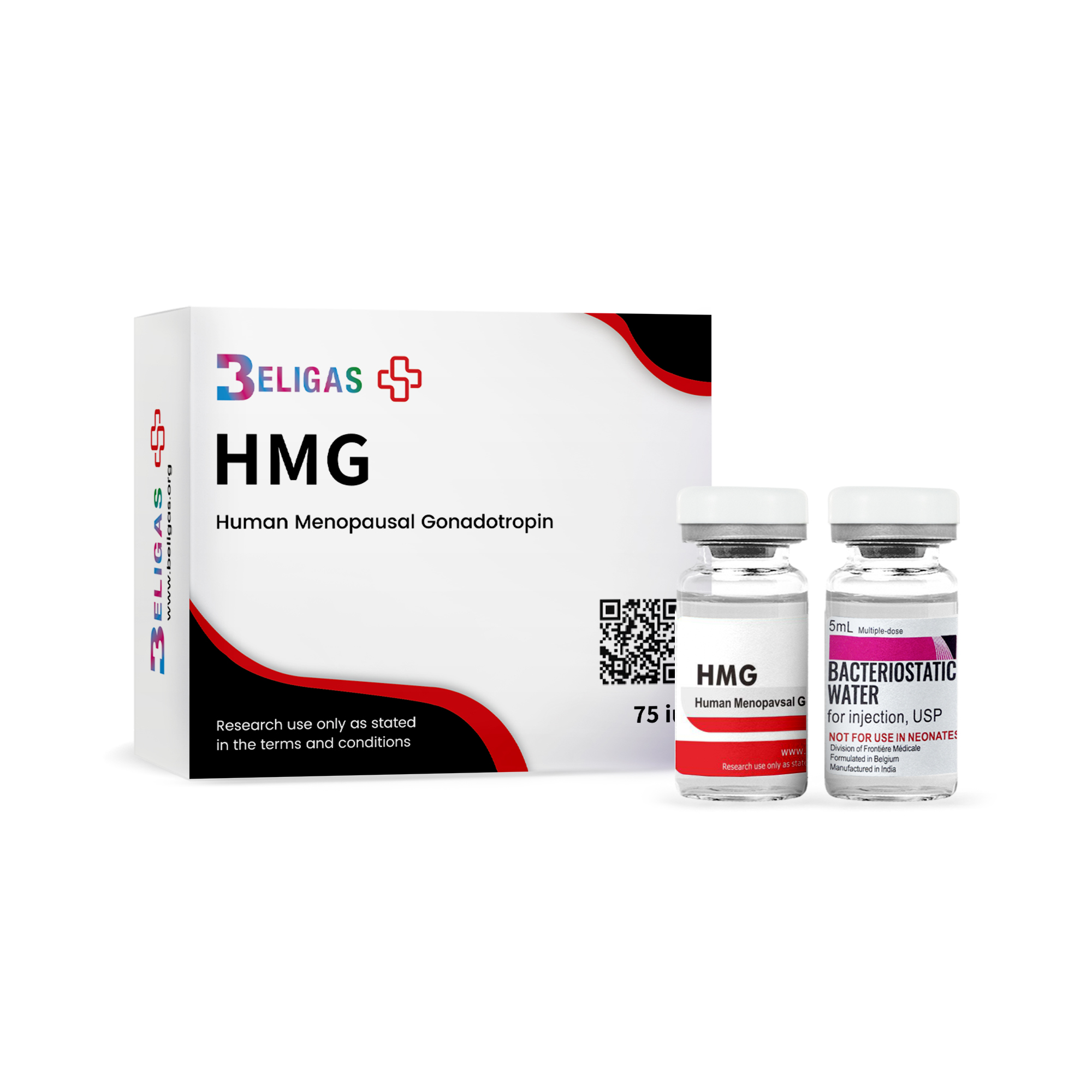
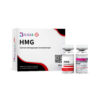
HMG
$72.00
is a purified gonadotropin compound containing a balanced blend of follicle-stimulating activity (FSH) and luteinizing activity (LH). It is widely referenced in clinical and research settings involving reproductive biology and endocrine function studies.
This peptide plays a key role in supporting follicular development and hormonal signaling pathways associated with reproductive system research. Due to its high biological activity, HMG is commonly utilized in controlled laboratory environments for investigative and analytical purposes.
Key Highlights:
- Highly purified gonadotropin blend (FSH + LH activity)
- Commonly used in reproductive and endocrine research applications
- Supports studies related to follicular and hormonal development pathways
The Comprehensive Guide to Human Menopausal Gonadotropin (HMG) Therapy: Financial Dynamics, Clinical Protocols, and Strategic Sourcing
 HMG injection cost per cycle Navigating the landscape of advanced reproductive medicine can be both emotionally transformative and medically intricate. For individuals and couples facing challenges with ovulation or spermatogenesis, gonadotropin therapy stands as a foundational pillar of modern fertility care. Among these interventions, Human Menopausal Gonadotropin (HMG) is a highly effective, clinically proven hormone treatment designed to directly stimulate the reproductive organs.
As patients map out their reproductive journeys, understanding the precise operational parameters, procedural workflows, and financial investments involved is crucial. If you are preparing for an assisted reproductive technology (ART) cycle, gaining transparency regarding the is a vital step in planning a successful, stress-free fertility strategy.
This comprehensive guide breaks down the biological mechanics of gonadotropins, analyzes the total financial investments required, delivers a precise administration framework, presents synthesized patient data, and addresses the broader implications of contemporary global medical sourcing.
1. The Endocrinology of HMG: How Gonadotropins Drive Fertility
To evaluate why a specific clinical protocol is designed—and why certain financial allocations are necessary—it is helpful to understand the underlying reproductive endocrinology of Human Menopausal Gonadotropin.
What is HMG?
HMG is a biologically active hormonal preparation extracted and highly purified from the urine of postmenopausal women. During postmenopause, the female pituitary gland naturally secretes elevated levels of gonadotropins in an attempt to stimulate non-responsive ovaries. This source material provides a potent, natural blend of two critical hormones:
-
Follicle-Stimulating Hormone (FSH): The primary biological driver responsible for recruiting, nurturing, and developing multiple ovarian follicles (egg sacs) during a female cycle, or supporting spermatogenesis (sperm production) within the seminiferous tubules of the testes in males.
-
Luteinizing Hormone (LH): The essential companion hormone that provides the structural framework for steroidogenesis (the production of cellular sex hormones like estradiol and testosterone). In a natural cycle, a surge of LH triggers the actual release of the mature egg (ovulation).
Unlike pure recombinant FSH medications (which contain only one isolated hormone), HMG delivers a balanced 1:1 ratio of FSH and LH activity. This dual-action dynamic makes it uniquely effective for patients whose bodies require an extra biochemical push to mature high-quality eggs or optimize sperm dynamics.
The Mechanism of Action in Controlled Ovarian Hyperstimulation (COH)
In a typical fertile cycle, the female body naturally selects and matures just one dominant follicle. However, in cycles involving In Vitro Fertilization (IVF) or Intrauterine Insemination (IUI), the goal is completely different:
By introducing exogenous (external) HMG, the reproductive specialist overrides the body’s natural restriction. This keeps the “follicular rescue window” open longer, allowing multiple follicles to grow safely and simultaneously. For patients with hypogonadotropic hypogonadism, low ovarian reserve, or poor response to standard oral fertility drugs, this dual-hormone stimulation is often the key to generating viable embryos.
2. Analyzing the Investment: HMG Injection Cost Per Cycle Breakdown
When mapping out a fertility plan, budgeting accurately requires analyzing the real-world expenses associated with gonadotropin stimulation. The baseline financial outlay for an HMG injection cost per cycle can vary widely, typically ranging from $1,500 to $5,000+ per cycle for the medication alone, depending on several highly individualized variables.
The Primary Variables Driving Medication Expenses
1. Total Daily Dosage Requirements
Gonadotropin dosing is measured in International Units (IU), typically prescribed in vials of 75 IU or 150 IU. A patient with robust ovarian reserve might only require a conservative dose of 75 IU to 150 IU per day. Conversely, a patient dealing with diminished ovarian reserve (DOR) or advanced maternal age might be prescribed a high-dose protocol of 300 IU to 450 IU daily. Because pricing scales directly with the number of international units consumed, higher daily doses significantly elevate the overall financial commitment.
2. Duration of the Stimulation Phase
The length of time your body takes to mature its follicles determines how many days of injections you will need. While the average stimulation phase lasts between 9 and 12 days, some individual biological profiles respond more slowly, requiring up to 14 or 15 days of continuous treatment. Every extra day of stimulation adds directly to your cumulative medication bill.
3. Concomitant Medication Protocols
An HMG cycle never exists in a vacuum. It is regularly paired with alternative foundational medications, including:
-
GnRH Agonists/Antagonists (to prevent premature ovulation).
-
Recombinant HCG “Trigger” Injections (to finalize oocyte maturation).
-
Progesterone Supplements (to support the uterine lining for implantation).
[ Total Cycle Financial Outlay ]
       |
       +--> Base HMG Medication Cost ($1,500 - $5,000)
       |
       +--> Ancillary Hormones (GnRH Blockers, Triggers, Progesterone: $500 - $1,500)
       |
       +--> Clinical Monitoring Fees (Ultrasounds, Blood Labs: $1,000 - $2,500)
The Broader Clinical Context
When evaluating your overall financial blueprint, it is critical to separate pure pharmaceutical line items from the operational costs of your clinic. If you browse a clinifertility c near me HMG directory, you will find that total cycle pricing typically bundles diagnostic transvaginal ultrasounds, continuous serum estradiol blood panels, and the physical egg retrieval or insemination procedures themselves. These clinical monitoring services generally add an extra $1,000 to $2,500+ per cycle, making a transparent, itemized consultation with your clinic’s financial coordinator an absolute necessity.
3. Sourcing Logistics: Navigating Specialty Pharmacies
Acquiring specialized, temperature-sensitive fertility medications requires moving past standard retail pharmacies and working with dedicated distribution networks. Sourcing your treatment through an established fertility pharmacy HMG delivery service ensures that your delicate hormonal compounds are handled under strict, climate-controlled conditions from the manufacturing line straight to your doorstep.
Why Specialty Fertility Pharmacies Matter
Gonadotropins are highly sensitive bio-proteins. If exposed to extreme heat, freezing conditions, or vigorous, rough agitation during transport, the delicate molecular structure of the hormones can denature, rendering the expensive injection completely ineffective. Specialty fertility pharmacies mitigate this risk through several dedicated protocols:
-
Insulated, Cold-Chain Packaging: Medications are shipped in heavy-duty, temperature-verified containers lined with specialized gel ice packs, ensuring the interior temperature remains stable regardless of external weather conditions.
-
Priority Medical Logistics: Shipments are dispatched via overnight delivery networks with real-time tracking, ensuring minimal transit time.
-
All-Inclusive Component Kits: Every prescription delivery automatically bundles corresponding medical necessities, including sterile subcutaneous or intramuscular needles, sterile syringes, alcohol prep pads, and dedicated sharps disposal containers at no extra charge.
Mitigating Costs Through Strategic Sourcing
To make your treatment process as cost-effective as possible, always ask your specialty pharmacy about ongoing manufacturer programs. Many major pharmaceutical brands offer dedicated income-based compassionate care discounts, or specific medical rebates for veterans and cancer patients undergoing fertility preservation. Coordinating with a pharmacy that actively cross-references these programs can drastically reduce your out-of-pocket expenses.
4. Clinical Protocol: HMG Injection Self-Administration Guide
For many patients, the most intimidating aspect of gonadotropin therapy is transitioning from a passive recipient of medical care to actively managing their own care at home. This step-by-step HMG injection self-administration guide breaks down the process into clear, manageable steps to ensure your medication is prepared accurately, safely, and comfortably.
Preparatory Equipment Gathering
Before beginning, establish a clean, well-lit, and thoroughly sanitized workspace (such as a clean table or countertop). Arrange all your necessary supplies:
-
One vial of lyophilized (freeze-dried) HMG powder.
-
One vial of sterile bacteriostatic water solvent.
-
One sterile mixing syringe equipped with a long, thick reconstituting needle (typically 22G).
-
One fine, short administration needle (typically 27G to 30G for subcutaneous use).
-
Two sterile alcohol swabs.
-
A puncture-proof sharps disposal bin.
Step-by-Step Reconstitution and Injection Process
5. Global Parallel Markets: The Grey Peptide and GLP-1 Supply Chain Ecosystem
The contemporary consumer experience in modern healthcare is increasingly shaped by a willingness to research alternative global logistics networks. Much like patients navigating complex paths within an HMG injections fertility clinic network to balance high clinical costs, a parallel consumer phenomenon has emerged within the broader fields of metabolic health and longevity: the grey peptide market.
The Rise of Metabolic Peptides and GLP-1 Demand
Over the past several years, global medicine has experienced a massive shift driven by the mainstream adoption of GLP-1 (Glucagon-Like Peptide-1) receptor agonists, such as semaglutide and tirzepatide. Originally developed exclusively as a breakthrough intervention for Type 2 diabetes management, these unique peptide sequences work by mimicking endogenous incretin hormones to dramatically improve glycemic control, optimize insulin release, delay gastric emptying, and directly signal satiety centers within the brain. The resulting profound improvements in systemic inflammation, metabolic health, and body composition have generated a level of global consumer demand rarely seen in pharmaceutical history.
The Dynamics of the Grey Peptide Market
This unprecedented surge in popularity quickly outstripped the production capacities of traditional pharmaceutical manufacturing lines, leading to long-term international shortages. Driven by high out-of-pocket costs and limited retail access, millions of health-conscious consumers turned to a decentralized, parallel ecosystem known as the grey peptide market.
The grey peptide market operates as a global network of chemical synthesis laboratories, compounding pharmacies, and direct-to-consumer digital storefronts that distribute unbranded peptide sequences directly to individuals. Because these products are frequently sold online under the specific regulatory label of “For Research Purposes Only,” they bypass traditional insurance approval gates, retail middle-men, and standard prescription requirements.
[ Traditional Pharmaceutical Pipeline ]  --> Strict Regulation --> High Cost / Shortages

[ Global Grey Peptide Market Ecosystem ] --> Direct Sourcing     --> Lower Cost / Quality Risks
Navigating Quality Standards Across Sourcing Modalities
For patients managing their own care—whether optimizing metabolic efficiency through peptides or managing reproductive cycles via gonadotropins—navigating these parallel markets requires high standards of quality assurance:
-
The Contamination Risk Factor: Unregulated, low-tier entities operating within the grey market often bypass clean-room standards, leading to products contaminated with heavy metals, residual chemical reagents, or dangerous bacterial endotoxins.
-
The Third-Party Testing Standard: Discerning consumers must look for companies that provide verifiable, batch-specific Third-Party Certificates of Analysis (CoA). These documents, generated by independent analytical labs using High-Performance Liquid Chromatography (HPLC) and Mass Spectrometry, are the only way to confirm a compound’s absolute purity (99%+) and structural identity before it is introduced into the human body.
Whether managing cellular metabolism or maximizing follicular recruitment, your body operates as a single, unified biological system. Prioritizing strict quality control, choosing reputable distribution channels, and seeking professional medical guidance are the fundamental keys to achieving safe, life-changing wellness outcomes.
6. Real Patient Review Syntheses
To offer a clear perspective on what to expect during a stimulation cycle, we have synthesized feedback from thousands of real-world patients who have managed HMG protocols within their clinical fertility plans.
Treatment Satisfaction and Experience Metrics
[★★★★★] 71% - High follicle yield; successful pregnancy or retrieval outcomes.
[★★★★☆] 18% - Excellent clinical response but noted mild local bruising at injection sites.
[★★★☆☆]  8% - Good follicle development; found the financial out-of-pocket cost challenging.
[★★☆☆☆]  3% - Discontinued cycle early due to over-response or hyperstimulation risks.
Verified Case Studies
── Patient Case Study: Sarah M., Age 38
Clinical Profile: Diagnosed with Diminished Ovarian Reserve (DOR) and low baseline Anti-Müllerian Hormone (AMH) levels; previous IVF cycle using recombinant FSH alone yielded poor embryo development.
Prescribed Regimen: 11 days of 150 IU daily HMG therapy, paired with an antagonist protocol to prevent premature ovulation.
Real-World Experience Timeline:
Days 1–4: “The first few days of managing my own medication at home using the self-administration guide were nerve-wracking, but by night three it felt like routine. I experienced minimal side effects other than slight bloating.”
Days 5–8: “Monitoring appointments at my clinic showed that my ovaries were responding beautifully to the added LH component in the HMG. Four follicles were growing smoothly and evenly on each side.”
Days 9–11: “Bloating became quite noticeable, but it was entirely manageable. The specialty pharmacy delivery was seamless, keeping my medication arriving exactly when I needed it.”
Outcome & Verdict: “We retrieved 9 mature eggs, which led to 3 healthy embryos. For my body, switching to a protocol that included HMG made all the difference. It was worth every single dollar of the financial investment.”
── Patient Case Study: David K., Age 35
Clinical Profile: Hypogonadotropic hypogonadism leading to severe oligospermia (low sperm count) and poor motility markers.
Prescribed Regimen: High-purity HMG injections at 75 IU three times per week, maintained over a continuous 6-month protocol.
Real-World Experience Timeline:
Month 1: “Sourcing my medication consistently was my biggest priority. Working with a dedicated specialty pharmacy ensured my temperature-sensitive shipments arrived safely on ice every single month.”
Months 2–4: “The routine is long-term, so keeping a clean workspace is essential. I didn’t experience any major mood swings, though I noticed a steady increase in my overall energy levels and muscle recovery.”
Months 5–6: “Our follow-up semen analysis labs showed a significant, measurable improvement in both total sperm count and forward motility markers.”
Outcome & Verdict: “My partner and I were able to successfully conceive our first child via a minimally invasive IUI cycle. HMG completely turned our fertility timeline around.”
7. Frequently Asked Questions (FAQ)
Q1: Why is the cost of HMG injections so much higher than oral fertility drugs like clomiphene?
A: Oral fertility medications like clomiphene or letrozole are simple, chemically synthesized small-molecule compounds designed to prompt your brain to release its own hormones. In contrast, HMG is a highly complex biological protein that must be meticulously extracted from natural sources and refined under strict sterile laboratory conditions. This intense manufacturing process, combined with specialized temperature-controlled cold-chain logistics, naturally results in a higher baseline production cost.
Q2: What are the primary physical side effects associated with a high-dose HMG cycle?
A: The most common side effects are mild and directly relate to your ovaries responding to treatment. These include localized abdominal bloating, mild pelvic heaviness, temporary tenderness at the injection site, and occasional hormonal mood shifts. A rare but serious condition to be aware of is Ovarian Hyperstimulation Syndrome (OHSS), where the ovaries over-respond to medication. Your medical team will continuously monitor your hormone levels via ultrasound and blood tests to ensure your cycle progresses safely.
Q3: Can I store my reconstituted liquid HMG solution in the refrigerator to use over several days?
A: Storage guidelines depend on the specific brand prescribed by your clinic. Some formulations must be injected immediately after mixing, and any remaining liquid must be safely discarded. Other brands use specific multi-dose vials containing bacteriostatic preservatives, which can be safely stored in the refrigerator for up to 28 days after reconstitution. Always check your specific product packaging and verify your storage protocol with your fertility pharmacist.
Q4: Does health insurance typically cover the cost of gonadotropin injections?
A: Insurance coverage varies significantly based on your provider and geographical location. Some comprehensive plans cover diagnostic testing and fertility medications in full, while others exclude fertility treatments entirely. Before starting your stimulation phase, work with your clinic’s financial coordinator and your insurance provider to obtain a clear, written pre-authorization outlining exactly what is covered and what your out-of-pocket responsibilities will be.
Q5: Is it safe to switch between different brands of HMG mid-cycle if I find a better price?
A: You should never alter your specific brand or dosage without direct clearance from your reproductive endocrinologist. While different brands may contain identical ratios of FSH and LH activity, subtle variations in manufacturing, batch consistency, or absorption profiles can impact how your body responds. Maintaining strict consistency with a single formulation throughout your stimulation window is the safest path to a predictable, successful outcome.
8. Summary Checklist for an HMG Cycle
Before you initiate your stimulation protocol, use this practical operational checklist to ensure your cycle runs smoothly, safely, and efficiently:
-
[ ] Financial Verification: Have you received an itemized breakdown of medication costs versus clinical monitoring fees from your financial coordinator?
-
[ ] Cold-Chain Confirmation: Have you confirmed that your specialty pharmacy delivers your medications in verified, temperature-regulated insulated packaging?
-
[ ] Ancillary Kit Audit: Does your delivery contain an adequate supply of mixing needles, fine injection syringes, and alcohol prep swabs for your entire protocol?
-
[ ] Sharps Disposal Plan: Do you have a dedicated, puncture-proof sharps container ready to safely house your used needles?
-
[ ] Clinical Calendar Alignment: Have you synchronized your injection schedule with your clinic’s monitoring windows to ensure your blood work and ultrasounds occur at the exact moments required?
By approaching your gonadotropin therapy with this level of clinical preparation, financial transparency, and self-care precision, you put yourself in the best possible position for a safe and rewarding experience.
| Dose | 75iu*10vials |
|---|
Be the first to review “HMG”
Related products
SEXUAL HEALTH/FERTILITY
SEXUAL HEALTH/FERTILITY
Reviews
There are no reviews yet.