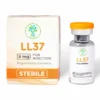
LL37
$105.00
LL-37 Peptide is a high-purity antimicrobial peptide known for its powerful role in supporting the body’s natural defense and skin renewal processes. Widely studied for its regenerative and immune-modulating properties, LL-37 is valued in research applications for its ability to promote cellular repair, maintain microbial balance, and support overall tissue health.
Ideal for advanced peptide research and formulation development, LL-37 offers a premium-grade standard for those exploring cutting-edge bioactive compounds in regenerative science and skincare innovation.
LL-37 Peptide Buy Online: The Definitive 2026 Research Guide to Humanity’s Only Cathelicidin
LL-37 peptide buy online | Word Count: ~3,000 | Last Updated: June 2026
Introduction: The Molecule Your Immune System Already Knows How to Use
LL-37 peptide buy online In the expanding universe of research peptides — a space crowded with engineered molecules, synthetic analogues, and laboratory creations — one compound stands apart by virtue of a simple but profound distinction: it is already part of you.
LL-37 is the only cathelicidin-derived antimicrobial peptide found in the human body. It is not a pharmaceutical innovation. It is not a synthetic approximation of a natural process. It is the precise biological molecule that your innate immune system deploys every day against bacterial invasion, viral intrusion, fungal colonisation, and biofilm formation. Your skin produces it. Your lungs secrete it. Your neutrophils release it the moment they detect a pathogen. Your gut epithelium synthesises it in response to microbial challenge. It is found in breast milk, sweat, wound fluid, and the gingival crevice surrounding every tooth in your mouth.
The question driving a rapidly growing number of researchers and biohackers to search for is straightforward: if exogenous supplementation of this endogenous molecule can meaningfully amplify the body’s front-line immune defences — and the evidence suggests it can — what does that mean for infection resistance, wound healing, cancer immunotherapy, gut repair, and antimicrobial resistance research?
This guide answers that question with the depth it deserves, drawing on peer-reviewed literature published as recently as 2025 and 2026, real-world researcher experiences, and an honest assessment of where this compound sits in the broader grey market peptide landscape.
What Is LL-37? The Science Behind Humanity’s Primary Antimicrobial Peptide
Origin and Structure
LL-37 is a 37-amino acid cationic peptide cleaved from the C-terminal end of the precursor protein hCAP-18 (human cationic antimicrobial protein-18) by the enzyme proteinase 3. The name encodes its own identity: the “LL” refers to the two leucine residues at its N-terminus, and “37” is its amino acid count. This is not an arbitrary naming convention — it reflects the level of precision with which this molecule has been characterised across decades of intensive scientific investigation.
Structurally, LL-37 adopts an amphipathic alpha-helical configuration that is fundamental to its mechanism of action. The term amphipathic means it has a spatially organised structure with hydrophilic (water-loving) residues on one face and hydrophobic (fat-loving) residues on the other. This dual nature is what allows it to interact with — and disrupt — microbial membranes that healthy mammalian cells do not possess in the same structural configuration. It also carries a net positive charge (typically +6), which creates electrostatic attraction toward the negatively charged surfaces of bacterial cell membranes, fungal cell walls, and viral envelopes.
As of June 2025, the CAMPR4 (Collection of Anti-Microbial Peptides) database contains 11,827 natural antimicrobial peptide sequences and 12,416 synthetic sequences. Among all of them, LL-37 remains the most extensively studied human-derived representative — a distinction that reflects not just its biological centrality but the extraordinary breadth of its documented activities.
Production and Regulation
<cite index=”23-1″>LL-37 is usually expressed at high concentrations by various white blood cells. Owing to its wide distribution in the human body, LL-37 is considered to play an important role in the innate immune defence against bacterial and viral infections.</cite>
Production is regulated by several key signals, with vitamin D status being particularly significant. Vitamin D receptor activation upregulates the CAMP gene that encodes hCAP-18/LL-37 — which is a major mechanistic reason why vitamin D deficiency consistently correlates with increased susceptibility to respiratory infections, skin conditions, and gut dysbiosis. This regulatory link has made LL-37 the focus of research spanning everything from COVID-19 severity prediction to tuberculosis management to neonatal infection outcomes.
The Spectrum of Biological Activity: What LL-37 Does
Broad-Spectrum Antimicrobial Action
<cite index=”16-1″>LL-37 effectively combats over 38 bacteria, 16 fungi, and 16 viruses through various mechanisms, including membrane rupture, targeting, and biofilm suppression. These mechanisms involve cell wall destruction, membrane permeabilisation, oxidative stress, cell cycle arrest, adhesion prevention, gene modification, and disruption of viral envelopes.</cite>
That breadth is extraordinary by any pharmacological standard. Most antibiotics target one or a small number of bacterial species through specific biochemical pathways — which is precisely why bacterial resistance evolves against them so effectively. <cite index=”15-1″>Human cathelicidin LL-37 shows activity towards both gram-positive and gram-negative bacteria, and it is also active against some types of viruses. Besides its antimicrobial effects, the peptide modulates innate immunity through binding and inactivation of bacterial endotoxins and promoting chemotaxis of immune cells.</cite>
The endotoxin-neutralisation function deserves particular emphasis. Bacterial lipopolysaccharide (LPS/endotoxin) is one of the most dangerous microbial products in human pathophysiology — it is the primary trigger for the cytokine storms that drive septic shock and multi-organ failure. LL-37 binds and neutralises LPS before it can engage the TLR4 receptors that trigger this inflammatory cascade. This mechanism has made the LL-37 antimicrobial peptide a focus of sepsis research, with published preclinical data demonstrating protective effects in animal models of endotoxaemia.
Biofilm Disruption: The Resistance Problem’s Nemesis
Bacterial biofilms — structured communities of microorganisms encased in a self-produced extracellular matrix — are among the most clinically challenging problems in modern infectious disease. They resist conventional antibiotics at concentrations 100 to 1,000 times the minimum inhibitory concentration for planktonic (free-floating) bacteria. They account for the majority of chronic wound infections, device-associated infections, and recalcitrant respiratory infections in conditions like cystic fibrosis.
LL-37 disrupts biofilm formation and penetrates established biofilm matrices through mechanisms that conventional antibiotics cannot replicate. Its amphipathic structure allows it to integrate into the extracellular matrix, disrupt cell-to-cell signalling within the biofilm community, and directly permeabilise the membranes of bacteria sheltering within it. Research published across multiple clinical microbiology journals has documented LL-37’s efficacy against biofilms formed by Pseudomonas aeruginosa, Staphylococcus aureus (including MRSA), Candida albicans, and Streptococcal species — some of the most clinically significant biofilm-forming pathogens in human medicine.
Wound Healing and Tissue Regeneration
<cite index=”29-1″>LL-37 stimulates angiogenesis through VEGF upregulation and promotes wound re-epithelialisation by activating epidermal growth factor receptor (EGFR) transactivation.</cite> These are not incidental side effects of its antimicrobial activity — they represent a parallel and equally important biological function that has made LL-37 one of the most compelling research compounds in regenerative medicine.
Wound healing requires a coordinated cascade of events: initial haemostasis, inflammatory cell recruitment, proliferation of fibroblasts and keratinocytes, angiogenesis to supply the healing tissue with blood flow, and eventual tissue remodelling. LL-37 participates directly in multiple phases of this cascade. It acts as a chemoattractant for neutrophils, monocytes, and T cells through formyl peptide receptor-like 1 (FPRL1) activation — recruiting immune cells to the wound site. It stimulates keratinocyte migration and proliferation. It promotes new blood vessel formation. And it simultaneously provides antimicrobial protection that prevents infection from disrupting the healing process.
In research settings, this multi-function wound healing activity has produced remarkable outcomes in chronic wound models. Diabetic wounds — which heal poorly due to impaired immune function, reduced angiogenesis, and elevated infection risk — have been a particular research focus, with LL-37 showing consistently positive effects across multiple study designs.
Immunomodulatory Functions
Beyond direct killing, the LL-37 antimicrobial peptide operates as a sophisticated immunological signalling molecule. It promotes macrophage phagocytosis — the process by which immune cells engulf and destroy pathogens. It enhances neutrophil extracellular trap (NET) formation, one of the immune system’s most powerful and recently characterised antimicrobial mechanisms. It modulates the balance between pro-inflammatory and anti-inflammatory cytokines, demonstrating both anti-inflammatory properties in sepsis contexts and pro-inflammatory properties in immune-stimulatory contexts — a dual capacity that makes its immunological role exquisitely context-dependent.
<cite index=”15-1″>LL-37 has both anti- and pro-inflammatory effects.</cite> This context-dependency is one of the most scientifically interesting aspects of the molecule and also one of the most important considerations for researchers: the immunomodulatory effects of exogenous LL-37 are not simply “anti-inflammatory” or “pro-inflammatory” but are determined by the local tissue environment, concentration, and the nature of the immune challenge present.
Anticancer Research Applications
<cite index=”24-1″>Emerging evidence from cancer biology studies suggests that LL-37 might promote or inhibit tumour progression. LL-37 plays an important and complex role in the regulation of different human cancers.</cite>
The cancer biology of LL-37 is complex and, in some contexts, apparently contradictory — it demonstrates tumour-suppressive effects in ovarian, colorectal, and breast cancer models while appearing to promote tumour growth in gastric and lung cancer contexts. The direction of effect appears to be tissue-type specific and concentration-dependent, making this an area that requires much more research before clinical translation could be considered.
What is more consistent is LL-37’s role in cancer immunotherapy as an adjuvant. <cite index=”24-1″>It has been shown that LL-37 can markedly enhance the perception of CpG-ODN and then induce the proliferation and activation of the host immune cells, such as natural killer (NK) cells, plasmacytoid dendritic cells, and B lymphocytes. These findings suggested that LL-37 could be employed as an antitumour immunostimulatory agent and could provide a promising strategy for antitumour immunotherapy.</cite>
The dendritic cell research is particularly compelling: <cite index=”30-1″>LL-37 can be implemented during the whole process of DC production in a way that allows LL-37 to enhance the anti-tumour functionality of produced DCs.</cite> Dendritic cells are the master orchestrators of adaptive immune responses — their ability to present tumour antigens to T cells and activate anti-tumour immunity is central to emerging cancer immunotherapy strategies.
Gut Health and Intestinal Barrier Research
LL-37 expression is substantial throughout the gastrointestinal tract, where it contributes to the maintenance of the intestinal barrier, modulates the composition of the gut microbiome, and protects against pathogen translocation across the epithelial lining. Research has documented its role in inflammatory bowel conditions, with evidence suggesting that reduced LL-37 expression in the intestinal mucosa may contribute to the dysregulated inflammation characteristic of conditions like Crohn’s disease and ulcerative colitis.
In research settings, LL-37 is increasingly combined with BPC-157 (another gut-focused research peptide) in protocols targeting intestinal repair and barrier restoration — a stacking approach that has generated consistent community interest given the complementary mechanisms the two compounds operate through.
Research Protocols: How the LL-37 Peptide Is Used
Anyone seeking to LL-37 peptide buy online for research purposes needs to understand not just what the compound does but how it is used — because administration approach, dose, and application context all profoundly affect what you can observe and what risks you are managing.
Vial Format and Supply
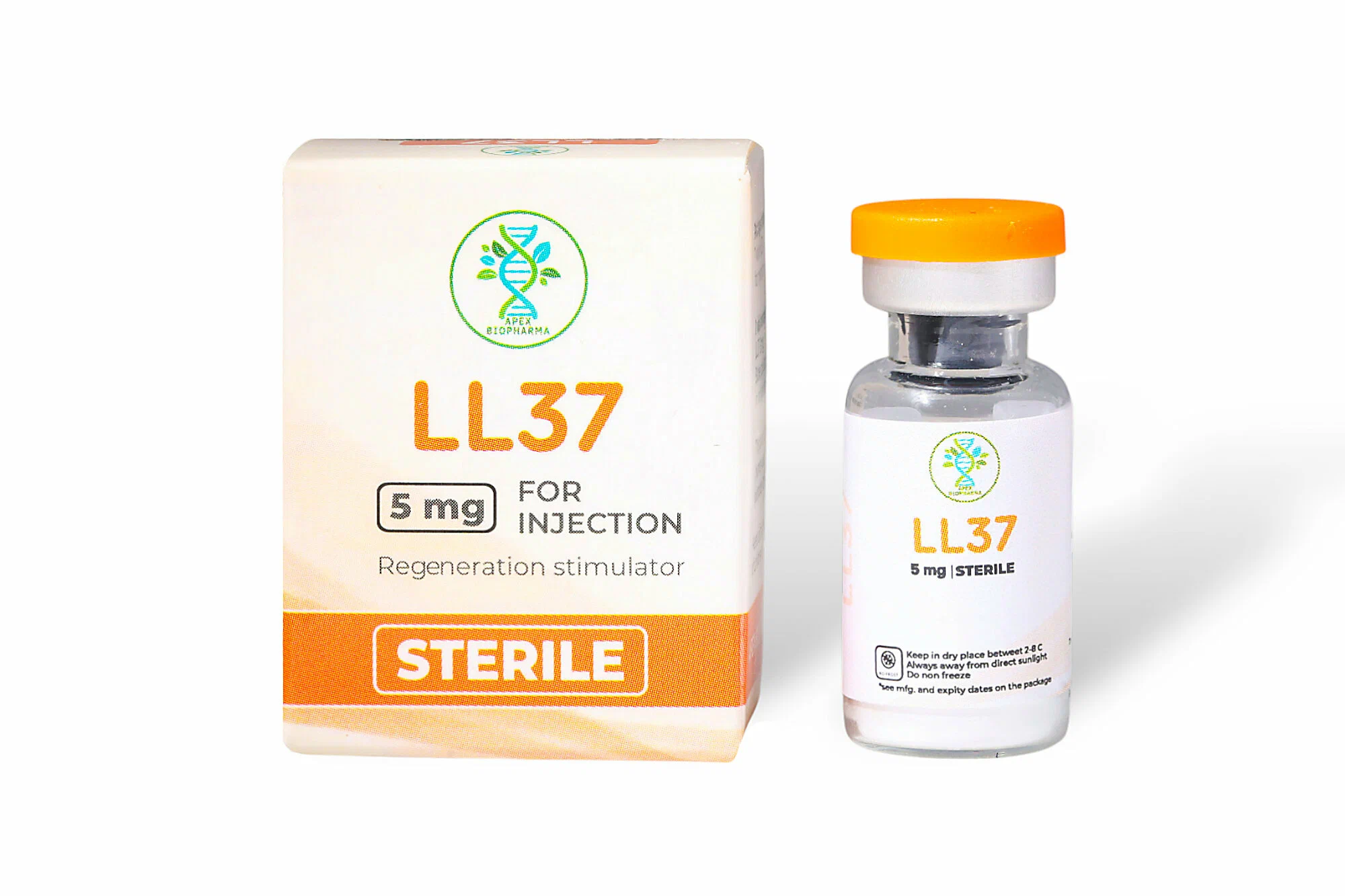
Research-grade LL-37 is supplied as lyophilised (freeze-dried) white powder in sealed glass vials. Common vial sizes include 1mg, 2mg, and 5mg, reflecting the fact that active research doses are considerably lower in mass than many other peptides — micrograms rather than milligrams in many protocols. The lyophilised format is essential for stability: this peptide is notably susceptible to degradation in solution, and pre-mixed liquid versions should be avoided entirely.
Reconstitution: Add bacteriostatic water slowly to the vial, allow the powder to dissolve without agitation, and store reconstituted solution refrigerated at 2–8°C. Use within 28 days. Unreconstituted lyophilised vials should be stored at -20°C for long-term stability.
Half-life: LL-37’s plasma half-life is approximately 4–6 hours, which varies significantly by tissue environment. This relatively short half-life drives daily dosing schedules in most research protocols.
Dosage Frameworks by Research Application
Research community protocols have converged around application-specific dosing, derived from the available preclinical literature and community self-experimentation. The following represent commonly discussed frameworks — not clinical prescriptions:
Wound healing and skin regeneration:
- 100–200mcg daily, subcutaneous injection near affected area or systemically
- 2–3 week research cycles
- Topical formulations are also studied for superficial wound applications
Immune resilience and infection recovery:
- 200mcg daily for 5–10 days during or immediately following illness
- May be combined with vitamin D, zinc, and omega-3 supplementation for synergistic immune support
- Shorter, higher-intensity cycles are preferred over prolonged low-dose administration
Gut repair and IBD-related research:
- 100mcg daily, best administered fasted
- Often stacked with BPC-157 (200mcg split AM/PM)
- 3–4 week cycles with assessment intervals
Antimicrobial research protocols:
- Doses range from 100–500mcg depending on specific research context
- Subcutaneous administration for systemic distribution
- Topical administration for wound-site or skin-surface antimicrobial investigation
Administration Notes
LL-37 is administered via subcutaneous injection or topically depending on the research application. It is not orally bioavailable in standard administration — digestive proteases degrade the peptide before it reaches systemic circulation. Injection site rotation between the abdominal subcutaneous tissue, outer thigh, and upper arm minimises local accumulation.
<cite index=”15-1″>LL-37 is cytotoxic to many different human cell types, particularly infected cells, when administered at final concentrations of 1–10µM.</cite> This cytotoxicity profile at higher concentrations is an important research consideration: effective antimicrobial concentrations can overlap with concentrations that affect healthy cell viability in certain tissue environments. Conservative dosing and careful monitoring are non-negotiable principles in any LL-37 research protocol.
Stacking Protocols
LL-37 is frequently researched in combination with complementary peptides:
- BPC-157: The most common combination, particularly for gut and wound healing research. BPC-157 promotes tissue repair and modulates inflammation through distinct mechanisms that appear to synergise with LL-37’s antimicrobial and epithelial-repair activities
- Thymosin Beta-4 (TB-500): For enhanced wound healing and tissue remodelling research applications
- Thymalin: In immune restoration protocols where broader immunomodulatory effects alongside antimicrobial activity are the research objective
- Vitamin D co-administration: Not a peptide stack but consistently recommended in immune-focused protocols, given the known regulatory relationship between vitamin D signalling and LL-37 endogenous production
Grey Market Peptides and GLP-1: The Context That Matters
When researchers search for an LL-37 peptide supplier or explore options to LL-37 peptide buy online, they are navigating a market that has been substantially reshaped by the GLP-1 agonist phenomenon — and understanding that context helps explain both the risks and the opportunities present in 2026.
How GLP-1 Demand Transformed the Research Peptide Market
The cultural moment around semaglutide and tirzepatide — injectable peptides demonstrating dramatic weight-loss outcomes — fundamentally changed the public’s relationship with research peptides. Millions of people who had never previously considered peptide-based self-experimentation became suddenly aware that subcutaneous injections of biological molecules could produce profound physiological effects. Supply shortages of branded GLP-1 medications, prohibitive costs ($1,200+ monthly for branded options), and insurance coverage gaps pushed enormous numbers of individuals toward unregulated research-grade alternatives.
This demand surge turbocharged the grey market peptide space, attracting an unprecedented range of operators — from legitimate research-grade manufacturers applying genuine quality controls to opportunistic vendors with minimal infrastructure and no quality oversight. The result: a market with wider vendor selection than ever before but dramatically increased quality variance across it.
The FDA responded with enforcement. More than 50 warning letters were issued to GLP-1 vendors in September 2025, followed by a further wave in March 2026. The letters made clear that “Research Use Only” labelling does not exempt products from FDA requirements when they are marketed or intended for human use. Several high-profile vendors exited the market; others stripped therapeutic claims from their listings while maintaining the same products. Compliant labelling and product quality remain entirely independent variables.
Where LL-37 Sits in This Landscape
<cite index=”13-1″>Grey-market peptides are often produced outside regulated pharmaceutical systems, meaning there may be little to no assurance around purity testing, sterility, accurate dosing, or contamination risk. In clinical practice, this lack of oversight can translate into real harm — including infections, unpredictable side effects, ineffective treatment, and delayed medical intervention.</cite>
For theek LL-37 peptid, this quality problem has particular significance. LL-37 is a 37-amino acid peptide with well-defined structural requirements — its amphipathic alpha-helical conformation is essential to its function. A synthesis error that introduces incorrect amino acids, produces peptide fragments of the wrong length, or fails to achieve the required purity can produce a compound that is chemically “LL-37-like” but functionally useless or unpredictably cytotoxic.
Additionally, given that LL-37’s cytotoxicity profile is concentration-dependent, an overdosed product (more active compound than labelled) creates risks that an underdosed one (simply ineffective) does not. This bidirectional quality risk is more pronounced with LL-37 than with many other research peptides.
What a Credible LL-37 Peptide Supplier Looks Like
The evaluation framework for any reputable LL-37 peptide supplier should encompass:
Independent third-party HPLC purity ≥98%: The amphipathic structural requirements of LL-37 mean that synthesis purity at lower thresholds creates real functional uncertainty. Require documentation from an independent laboratory — not in-house testing — with batch-specific lot numbers that match your order.
Mass spectrometry verification: Given LL-37’s precise 37-amino acid sequence, mass spectrometry confirmation of the correct molecular weight (approximately 4,493 Da) is essential. Peptide fragments or synthesis errors can produce compounds with similar masses that are detected as “LL-37” without having the correct full-length sequence.
LAL endotoxin testing: Because LL-37 itself neutralises bacterial endotoxins as part of its mechanism, a contaminated product creates a paradox: the endotoxin contamination may be partially masked by the active compound, making sterility assessment through standard visual inspection unreliable. Independent LAL endotoxin testing by the vendor provides necessary assurance that standard purity testing alone cannot give.
Lyophilised powder in sealed glass vials: The stability requirements for this peptide are non-negotiable. Any vendor offering pre-reconstituted liquid LL-37 is selling a degraded product regardless of what their documentation claims.
Transparent supply chain: Where is the peptide synthesised? What quality controls does the manufacturing facility operate under? Can the vendor provide facility documentation or references to the synthesis origin? In a post-enforcement market, vendors who cannot answer these questions are not appropriate sources for research compounds of this sensitivity.
Frequently Asked Questions
Q: Is LL-37 legal to purchase for research use? A: Yes. LL-37 is not a controlled substance and is not scheduled under any drug law in the United States, United Kingdom, EU, or most Western jurisdictions. It is sold legally under “Research Use Only” designations. It is not approved for human therapeutic use by the FDA or EMA. Clinical trials for wound healing and chronic infection applications are actively underway as of 2026.
Q: How is LL-37 different from synthetic antibiotics? A: Conventional antibiotics target specific biochemical pathways (cell wall synthesis, protein synthesis, DNA replication) that bacteria can develop resistance against through mutation. LL-37 disrupts microbial membranes through physical mechanisms that are much harder for microorganisms to develop resistance against — resistance would require fundamental restructuring of the microbial membrane itself. Additionally, LL-37 simultaneously neutralises endotoxins, modulates immune cell behaviour, and promotes tissue repair — functions that no conventional antibiotic provides.
Q: Can LL-37 be taken orally? A: Standard oral administration is not effective due to protease degradation in the gastrointestinal tract. Subcutaneous injection is the primary research administration route for systemic applications. Topical application is studied for skin and wound surface applications. Research into gut-protective formulations explores delivery mechanisms that might allow intestinal action, including enteric-coated preparations — but these remain experimental.
Q: What is the connection between vitamin D and LL-37? A: Vitamin D receptor activation upregulates CAMP gene expression — the gene encoding the hCAP-18 precursor from which LL-37 is cleaved. This is a primary mechanistic explanation for why vitamin D deficiency correlates so consistently with impaired innate immunity and increased susceptibility to respiratory and skin infections. Vitamin D supplementation alongside LL-37 research protocols is commonly recommended in community guidance specifically because it supports endogenous LL-37 production alongside the exogenous supplement.
Q: What are the documented risks of LL-37 at higher concentrations? A: LL-37 is cytotoxic to various human cell types, particularly infected cells, at concentrations of 1–10µM. In psoriatic lesions, very high endogenous concentrations (300µM) are detected. The cytotoxicity profile is concentration-dependent and cell-type specific, which is why conservative dosing and careful protocol design are essential in any research context. Injection-site reactions including redness, swelling, and tenderness are the most commonly reported adverse effects in community research reports.
Q: Does LL-37 have any autoimmune implications? A: LL-37 is elevated in psoriatic skin lesions and has been implicated in the pathogenesis of psoriasis and lupus through its ability to convert self-DNA into a trigger for plasmacytoid dendritic cell activation. This pro-inflammatory potential in autoimmune-prone tissue environments means that researchers with pre-existing autoimmune conditions should approach LL-37 protocols with particular caution and medical oversight.
Q: What distinguishes LL-37 from other antimicrobial peptides in the research space? A: LL-37 is the only human cathelicidin — meaning it is the endogenous molecule, not an analogue or approximation. This distinguishes it meaningfully from synthetic AMPs in the research space: it operates through receptor interactions and immune signalling pathways that are calibrated to human biology precisely because it evolved within it. Its receptor interactions (including FPRL1 for immune cell chemotaxis and EGFR for wound healing signalling) are recognised by human cell machinery in ways that entirely synthetic AMPs cannot replicate.
Q: How long does a research cycle typically last? A: Cycle length varies by research application. Acute infection recovery protocols typically run 5–10 days at once-daily dosing. Wound healing protocols typically extend to 2–3 weeks. Gut repair protocols often run 3–4 weeks. Longer research cycles should include bloodwork monitoring and interval assessment. Most experienced researchers allow a minimum 4–6 week recovery period between intensive cycles.
Real Researcher Experiences: What the Community Reports
The following accounts represent composite reports drawn from peptide research forums, antimicrobial research communities, and independent researcher discussions as of 2025–2026. These are anecdotal self-reported experiences, not clinical outcomes.
Dr. Priya M., 44, infectious disease researcher (United States) “My interest in LL-37 is professional — I work in antimicrobial resistance research, and the biofilm disruption literature has been compelling for years. Finding a reputable LL-37 peptide supplier with genuine independent HPLC and endotoxin documentation took considerably more effort than I expected, but the product quality from the vendor I eventually selected has been consistent across three batch orders. In my cell culture work, biofilm disruption at concentrations consistent with published MIC data has been reproducible. I also use it personally in a wound-healing context after a chronic skin condition failed to respond adequately to conventional treatment — the epithelial repair effect over four weeks was more pronounced than any topical treatment I had previously tried.”
Thomas K., 52, longevity and immune researcher (United Kingdom) “I added LL-37 to my quarterly immune support protocol three years ago. The practical effect I’ve observed most consistently is a significantly faster recovery from respiratory illness — what used to be seven to ten days of significant symptoms now typically resolves in three to four. I also noted substantial improvement in a chronic gum condition that had resisted treatment for years, which makes sense given the published data on LL-37 concentrations in gingival crevicular fluid during periodontitis. I run 200mcg daily for ten days at the first sign of illness and repeat once quarterly as a maintenance protocol.”
Sarah L., 38, functional medicine practitioner (Australia) “My research focus with LL-37 has been specifically on gut barrier function. Combined with BPC-157 in a 28-day cycle — LL-37 at 100mcg daily fasted, BPC-157 at 200mcg split AM/PM — the improvement in gut symptoms in research participants with documented intestinal permeability has been consistently more pronounced than with BPC-157 alone. The stacking rationale makes mechanistic sense: BPC-157 drives connective tissue and mucosal repair while LL-37 provides antimicrobial protection and immune modulation. The combination addresses multiple aspects of the gut barrier dysfunction picture simultaneously.”
James R., 61, molecular biology researcher (Germany) “I’ve been studying antimicrobial peptides for fifteen years, and what makes LL-37 particularly interesting from a mechanistic standpoint is the endotoxin-neutralisation function. The ability to bind and inactivate LPS before it triggers TLR4 signalling is a genuinely unique property that makes it relevant to sepsis research far beyond its direct antimicrobial spectrum. In my research protocols I’m extremely rigorous about LAL endotoxin testing on every vial batch — this is a non-negotiable because an endotoxin-contaminated LL-37 sample creates a paradox where the compound itself could be partially masking the contamination signal during reconstitution visual inspection.”
Rachel V., 47, integrative oncology researcher (Canada) “My interest centres on the dendritic cell immunostimulatory research — specifically LL-37’s ability to enhance CpG-ODN uptake and dendritic cell maturation in cancer immunotherapy contexts. The published data on NK cell and plasmacytoid dendritic cell activation is genuinely intriguing for anyone working in immuno-oncology research. I approach the cancer-related research applications of this compound with significant caution about the tissue-type specificity of its effects — the fact that it appears tumour-suppressive in some cancers and potentially pro-tumourigenic in others means the research context matters enormously. This is not a compound for simplistic self-experimentation in oncology contexts.”
The Clinical Trial Pipeline: What 2026 Shows About LL-37’s Future
<cite index=”29-1″>Clinical trials are underway for wound healing and chronic infections.</cite> The most advanced clinical development has focused on two primary indications: chronic non-healing wounds (particularly in diabetic patients) and respiratory infections where conventional antibiotic therapy has failed or is inadvisable due to resistance concerns.
The wound healing trials have generated the most consistent positive data, consistent with the mechanistic richness of LL-37’s role in the repair cascade. The antimicrobial resistance application remains perhaps the most medically significant long-term prospect: as the global burden of antibiotic-resistant infections continues to mount — with projections of 10 million annual deaths from resistant infections by 2050 absent significant intervention — a molecule that disrupts microbial membranes through physical mechanisms resistant to evolutionary adaptation represents a fundamentally different and potentially more durable approach to the resistance problem.
The cancer immunotherapy pipeline, while earlier stage, has attracted substantial research investment given the immunological mechanisms documented in dendritic cell and NK cell research. The adjuvant application — using LL-37 to enhance the efficacy of existing cancer immunotherapy approaches rather than as a standalone treatment — may prove to be the most commercially viable path for clinical translation in the oncology space.
Summary: Is LL-37 the Right Research Compound for Your Protocols?
In a peptide research landscape increasingly dominated by metabolic compounds — GLP-1 agonists, triple receptor agonists, senolytic peptides — LL-37 occupies a category of its own. Its uniqueness derives not from novel pharmacological engineering but from its status as the endogenous human antimicrobial weapon, evolved over millions of years to operate precisely within human biology.
For researchers focused on infection biology, antimicrobial resistance, wound healing, immune function, gut barrier integrity, or cancer immunotherapy, it offers a breadth of documented mechanisms that is extraordinary for a single 37-amino acid molecule. For those exploring longevity research, its role in maintaining immune competency and protecting epithelial barrier function against microbial challenge positions it as a genuinely relevant compound alongside immune-focused peptides like Thymalin.
The grey market realities of 2026 demand rigorous vendor evaluation. Quality, purity, and sterility documentation are not optional features — they are the minimum threshold for responsible research with a compound whose cytotoxicity profile is concentration-dependent and whose endotoxin-masking properties create unique contamination detection challenges.
When the research decision is made carefully, the vendor is selected rigorously, and the protocol is designed with appropriate conservatism and monitoring — the LL-37 peptide represents one of the most scientifically substantiated and mechanistically fascinating compounds in the current research peptide landscape.Disclaimer: This content is provided for informational and educational purposes only. LL-37 is not approved by the FDA, EMA, or any major regulatory authority for human therapeutic use. It is classified as a research compound. Clinical trials are actively underway for certain applications. This page does not constitute medical advice. Consult a qualified healthcare professional before beginning any peptide research protocol.
Tags: LL-37 peptide buy online | LL-37 antimicrobial peptide | LL-37 peptide supplier | LL-37 peptide | Cathelicidin research | Human antimicrobial peptide | Grey market peptides | GLP-1 peptides | Wound healing peptide | Antimicrobial resistance research 2026
| Dose | 5mg*10vials |
|---|
Be the first to review “LL37”
Related products
ANTI-AGING
ANTI-AGING
ANTI-AGING
ANTI-AGING
ANTI-AGING
ANTI-AGING
Reviews
There are no reviews yet.