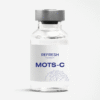
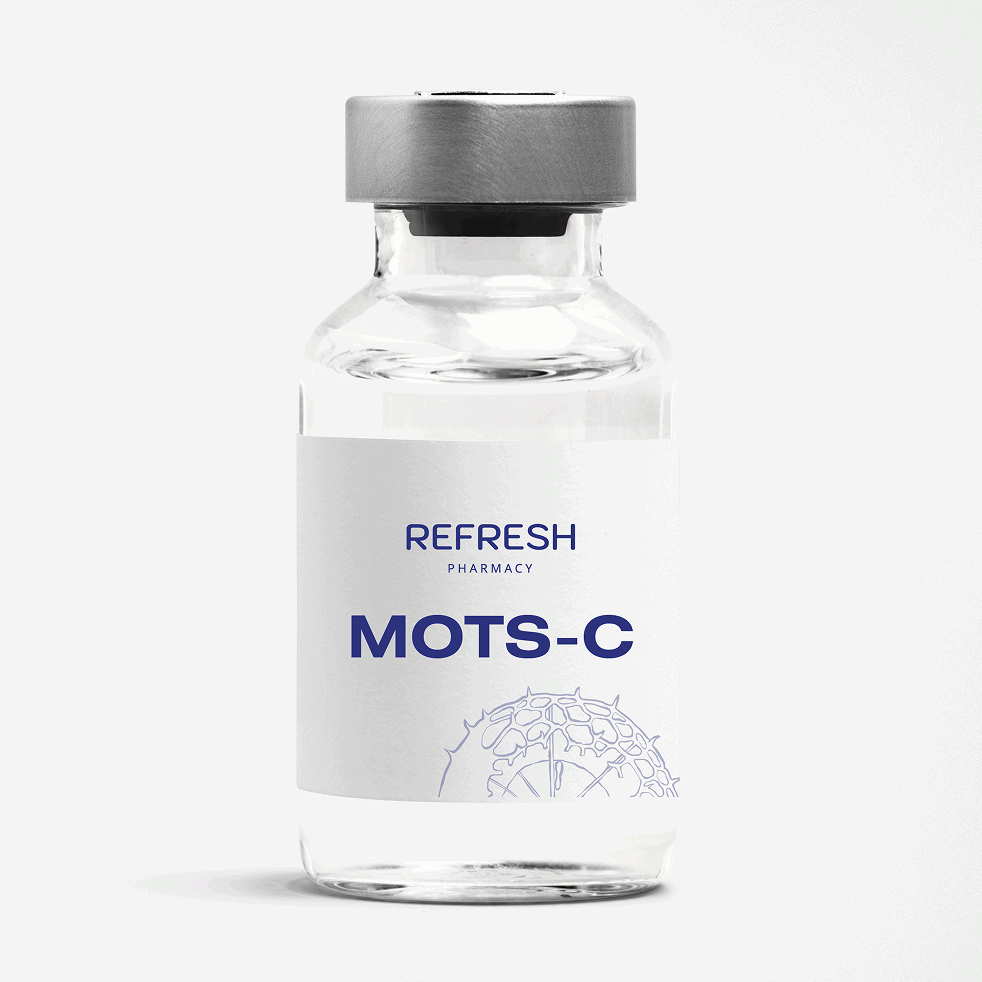
Where to Buy MOTS-c: A Complete Guide for Research Buyers
MOTS-c has become one of the most closely watched compounds in mitochondrial and metabolic peptide research, drawing interest from labs studying everything from insulin sensitivity to exercise physiology. As demand has grown, so has the number of sellers claiming to offer it — which makes the question of where to buy MOTS-c a lot more complicated than a simple price comparison.
This guide covers what MOTS-c is, how it’s used in research, what separates a verified MOTS-c supplier from a risky one, how pricing works, and how the broader grey market peptide landscape — accelerated significantly by GLP-1 demand — has reshaped sourcing across this entire category.
This content is intended strictly for informational and research-sourcing purposes. MOTS-c is sold and distributed as a research chemical, not for human consumption, and has no FDA-approved pharmaceutical pathway. Nothing here constitutes medical, dosing, or self-administration advice.
What Is MOTS-c?
MOTS-c is a mitochondrial-derived peptide, encoded within the mitochondrial genome rather than the nuclear genome — a relatively unusual origin that has made it a distinct object of study within the broader field of mitochondrial signaling. First characterized in research published in the mid-2010s, MOTS-c has since become a focal point for scientists investigating how mitochondria communicate with the rest of the cell, a field sometimes referred to as mitochondrial-nuclear crosstalk.
In laboratory settings, MOTS-c is studied for its apparent role in:
- Regulating cellular metabolic homeostasis, particularly under conditions of metabolic stress
- AMPK (AMP-activated protein kinase) pathway activation, a key regulator of cellular energy balance
- Insulin sensitivity and glucose metabolism research
- Exercise physiology and adaptive metabolic response studies
- Age-related metabolic decline research, given observed changes in circulating MOTS-c levels with age
- Comparative studies alongside other mitochondrial-derived peptides, such as humanin
Unlike some peptides in the research space, MOTS-c has no approved pharmaceutical formulation and no prescription pathway — it exists exclusively within the research chemical market, which simplifies its regulatory picture in one sense but also means there’s no pharmaceutical-grade quality benchmark to compare supplier claims against. That makes independent verification of any given supplier’s product even more important.
Why Finding Where to Buy MOTS-c Responsibly Matters
A search for where to buy MOTS-c turns up a wide range of sellers within seconds, but the sourcing landscape behind those listings varies enormously. A few structural factors make this category worth extra scrutiny:
Relatively recent characterization. Because MOTS-c was identified more recently than many other research peptides, the supplier ecosystem around it is younger and less mature, with fewer long-established manufacturers compared to categories like growth hormone secretagogues.
Complex peptide structure. MOTS-c’s synthesis involves specific considerations around amino acid sequence accuracy that make production more technically demanding than simpler peptides, meaning genuine production costs are higher than some low-priced listings would suggest.
No independent regulatory benchmark. Since MOTS-c has no approved pharmaceutical form, there’s no regulatory body actively verifying purity or identity claims across the market. That responsibility sits entirely with buyer due diligence — which is exactly why identifying a verified MOTS-c supplier carries more weight here than in categories with an approved-drug reference point.
What Makes a Verified MOTS-c Supplier
Not every seller claiming to be a verified MOTS-c supplier backs that claim with actual evidence. Genuine verification includes the following:
Independent, Batch-Specific Certificates of Analysis
A credible supplier provides a COA from an accredited third-party lab, tied specifically to the batch number shipped to you, not a generic document reused across multiple lots. The COA should report:
- HPLC purity percentage
- Mass spectrometry confirmation of molecular weight and sequence identity
- Peptide content adjusted for counter-ion mass and moisture
- Batch/lot number and synthesis date
Traceable Manufacturing Process
Ask directly where and how the peptide is synthesized. Reputable suppliers can describe their solid-phase peptide synthesis process and may hold ISO certification or equivalent quality standards for their manufacturing facility.
Transparent Business Identity
A verified supplier operates as a registered, identifiable business with consistent contact information and, ideally, a track record with repeat or institutional buyers. Anonymous storefronts or sellers reachable only through informal messaging channels are signals to proceed cautiously.
Consistent Research-Use-Only Labeling
Legitimate sellers label MOTS-c clearly as “for research use only, not for human or veterinary use” across packaging, invoices, and product listings alike. A supplier pairing this labeling with off-label dosing content elsewhere on their site is signaling a mismatch between how the product is labeled and how it’s actually being marketed.
Proper Cold-Chain Shipping
MOTS-c is a lyophilized peptide sensitive to heat, light, and moisture. Shipments should include desiccant packaging and, depending on climate and transit time, appropriate cold-chain measures.
Understanding MOTS-c Peptide Price
MOTS-c peptide price varies considerably across the market, and understanding what drives that variation helps buyers compare quotes meaningfully rather than defaulting to whichever number looks lowest.
Purity threshold. MOTS-c priced at ≥98% purity commands a premium over lower-purity stock. Some sellers offer 95–97% purity without clearly disclosing the difference, so always confirm the purity tier tied to any quoted price.
Order volume. Per-unit price drops meaningfully at scale, but a supplier’s small-vial pricing isn’t a reliable predictor of bulk rates — always request a dedicated quote for larger orders.
Synthesis complexity. Because MOTS-c is more technically demanding to synthesize accurately than some simpler peptides, genuine production costs run higher, which is reflected in pricing from suppliers doing rigorous, verified synthesis.
Manufacturing relationship. Suppliers with in-house synthesis capacity generally offer more stable pricing than resellers marking up product sourced from a third party, since resold peptide often carries less transparent sourcing and more price volatility.
Category-wide demand pressure. Broader demand growth across the research peptide sector — driven substantially by the GLP-1 peptide boom — has pushed manufacturing capacity and reagent costs up across the industry generally, with knock-on effects on pricing for adjacent compounds like MOTS-c, even though MOTS-c and GLP-1 agonists work through entirely different biological pathways.
Unusually low pricing relative to the category average is worth treating with caution rather than enthusiasm — it often reflects a shortcut somewhere in purity verification, testing, or sourcing.
How to Purchase MOTS-c Online Safely
When you’re ready to purchase MOTS-c online, a structured evaluation process helps separate legitimate suppliers from the rest of the market:
- Request the COA before ordering, not after payment, and confirm it’s tied to the specific batch you’ll receive.
- Ask about synthesis method and facility location, and expect a clear, specific answer rather than vague reassurance.
- Compare bulk pricing tiers across at least two or three suppliers to establish a realistic sense of the current market rate.
- Confirm shipping and storage practices, particularly cold-chain handling appropriate for a lyophilized peptide.
- Check independent reviews rather than relying solely on testimonials hosted on the seller’s own site (more on this below).
What to Look for in a MOTS-c Wholesale Supplier
Buyers purchasing at scale — labs, CROs, or resellers — have additional considerations beyond what a single-vial buyer needs to evaluate. A genuine MOTS-c wholesale supplier should offer:
Clear tiered pricing. Transparent price breaks at defined quantity thresholds (e.g., 1g, 5g, 10g, 25g+), rather than opaque one-off negotiated deals that make cross-supplier comparison difficult.
Batch consistency guarantees. Since bulk buyers are more exposed to lot-to-lot variability risk, ask whether the supplier can commit to supplying from a single consistent batch for large orders, or clearly document differences between batches if not.
Reliable supply continuity. A wholesale relationship depends on the supplier’s ability to avoid stockouts mid-research-program. Ask about typical lead times and how the supplier handles high-demand periods.
Institutional-friendly documentation. Wholesale buyers, particularly academic or CRO purchasers, often need formal documentation — SDS sheets, business registration confirmation, and consistent invoicing — that smaller retail-focused sellers may not readily provide.
The Grey Market Peptide Landscape and MOTS-c
MOTS-c’s research-chemical market exists alongside a substantial grey market — a space where compounds labeled “research use only” are frequently purchased by individuals for personal use rather than genuine laboratory research. This pattern spans much of the peptide category broadly, and MOTS-c’s growing public profile in metabolic and longevity discussions has made it increasingly exposed to this dynamic.
The labeling-versus-use gap. “Research use only” remains the accurate and, in most jurisdictions, legally required label for compounds like MOTS-c sold outside pharmaceutical channels. But because enforcement of actual end-use is difficult, a meaningful share of buyers in this space purchase research-labeled peptides for personal use rather than laboratory research — a dynamic that spans the category rather than being specific to any one supplier.
GLP-1 as the market’s accelerant. The explosive growth in demand for GLP-1 receptor agonists has reshaped the broader peptide manufacturing and distribution ecosystem. More manufacturing capacity has come online, more sellers have entered the space, and logistics networks supporting peptide distribution have matured considerably. MOTS-c, while mechanistically unrelated to GLP-1 agonists, is frequently sold through overlapping supplier networks and has been affected by these broader market currents in both pricing and the sheer number of new sellers entering the space.
Quality variability is higher in grey market channels. Independent testing of grey market peptide products has repeatedly found discrepancies between labeled and actual content across various compounds. This is precisely why COA verification and manufacturing transparency matter more as the category becomes more crowded.
Regulatory scrutiny continues to increase. As demand for peptides sold through informal channels has grown, regulators in multiple countries have increased attention on compounding pharmacies, importers, and online sellers — a trend spanning GLP-1 peptides and adjacent research compounds like MOTS-c alike.
For a verified MOTS-c supplier operating transparently, the practical differentiator is straightforward: clear labeling, verifiable third-party testing, and explicit research-use-only positioning separate a credible business from the grey market noise surrounding the category.
Storage and Handling
Proper storage protects both product integrity and research reproducibility.
- Lyophilized powder: Store at -20°C for long-term stability; short-term refrigeration (2–8°C) is generally acceptable for a period of weeks.
- Reconstituted solution: Stability drops considerably after reconstitution. Store refrigerated and use within the supplier’s stated stability window.
- Light sensitivity: Store in opaque or amber containers, protected from direct light.
- Avoid freeze-thaw cycling: Aliquot reconstituted peptide before freezing to prevent repeated freeze-thaw degradation.
- Shipping conditions: Shipments should include desiccant packaging and, depending on climate and transit time, cold-chain measures to preserve stability during transport.
Always request the supplier’s specific stability data rather than relying on generic peptide storage assumptions, since degradation rates vary by formulation and salt form.
How to Evaluate Real Customer Reviews
Rather than presenting invented testimonials, it’s more useful to explain how buyers can genuinely assess supplier reputation, since fabricated or incentivized reviews are common throughout the research peptide category.
Look for reviews on independent platforms — peptide research forums, industry-specific communities, or third-party review sites — rather than testimonials hosted exclusively on a supplier’s own website, which are easy to fabricate or selectively curate.
Prioritize specificity over enthusiasm. Reviews referencing specific batch testing results, communication quality, or packaging and shipping conditions carry far more weight than generic praise with no substance behind it.
Watch for suspicious clustering. A sudden spike of similar-sounding, glowing reviews posted within a short window often signals incentivized or purchased feedback rather than organic customer experience.
Cross-reference reputation across multiple sources. Reputation signals are far more reliable in aggregate — checking a supplier across several independent platforms — than relying on any single review source alone.
Frequently Asked Questions
Where can I buy MOTS-c from a reliable source? The most reliable path is a supplier who provides independent, batch-specific COAs, discloses their manufacturing process, operates as a verifiable registered business, and labels product clearly as research use only, rather than relying solely on marketplace price rankings.
Is MOTS-c legal to purchase? MOTS-c is legal to purchase in many jurisdictions when sold and labeled as a research chemical, not for human consumption. Legal status varies by country, and buyers should confirm regulations in their own jurisdiction, particularly for cross-border orders.
What does “verified MOTS-c supplier” actually mean? It means the supplier’s purity and identity claims are backed by independent, accredited third-party lab testing tied to the specific batch shipped, not just an in-house assay or a generic, reused COA.
What purity level should I expect when I purchase MOTS-c online? Most research-grade MOTS-c is sold at ≥98% HPLC purity. Always request the batch-specific COA and confirm peptide content percentage alongside the purity figure.
How is MOTS-c peptide price typically structured for larger orders? Bulk and wholesale pricing is usually tiered by quantity, with per-milligram cost decreasing at defined thresholds. Always request a formal quote rather than extrapolating from small single-vial pricing.
What should I look for in a MOTS-c wholesale supplier specifically? Clear tiered pricing, batch consistency guarantees or transparent lot documentation, reliable supply continuity, and institutional-friendly documentation like SDS sheets and business registration confirmation.
Why does MOTS-c peptide price vary so much between sellers? Pricing differences reflect purity verification standards, synthesis complexity, order volume, and broader demand pressure across the peptide sector, including spillover effects from GLP-1-driven market growth.
Is grey market MOTS-c the same quality as verified suppliers? Not reliably. Grey market channels generally lack consistent independent testing, and purity or identity discrepancies are more commonly reported in these channels compared to suppliers who provide verifiable, batch-specific third-party COAs.
What documentation should accompany a MOTS-c order? At minimum: a certificate of analysis from an independent lab, batch/lot number, synthesis date, and clear research-use-only labeling. Institutional buyers may also want a safety data sheet and confirmation of the supplier’s business registration.
How should reconstituted MOTS-c be stored in a lab setting? Refrigerated (2–8°C), used within the supplier’s recommended stability window, and protected from light and repeated freeze-thaw cycles. Aliquoting before storage helps preserve integrity across a multi-week research protocol.
Making the Right Choice
Figuring out where to buy MOTS-c ultimately comes down to how much verification a supplier is willing to provide before you place an order, not how polished their storefront looks. A genuine verified MOTS-c supplier will hand over batch-specific COAs without hesitation, describe their manufacturing process clearly, and maintain honest research-use-only labeling rather than blurring that line with off-label marketing.
As the broader grey market peptide space continues to expand — pulled along by GLP-1-driven demand — the gap between a legitimate MOTS-c wholesale supplier and an opportunistic one is only going to widen. Buyers who prioritize independent testing, confirm realistic MOTS-c peptide price expectations before ordering, and treat unusually low pricing with healthy skepticism will consistently end up with a more reliable research supply than those who simply try to purchase MOTS-c online from the cheapest listing they can find.


Reviews
There are no reviews yet.