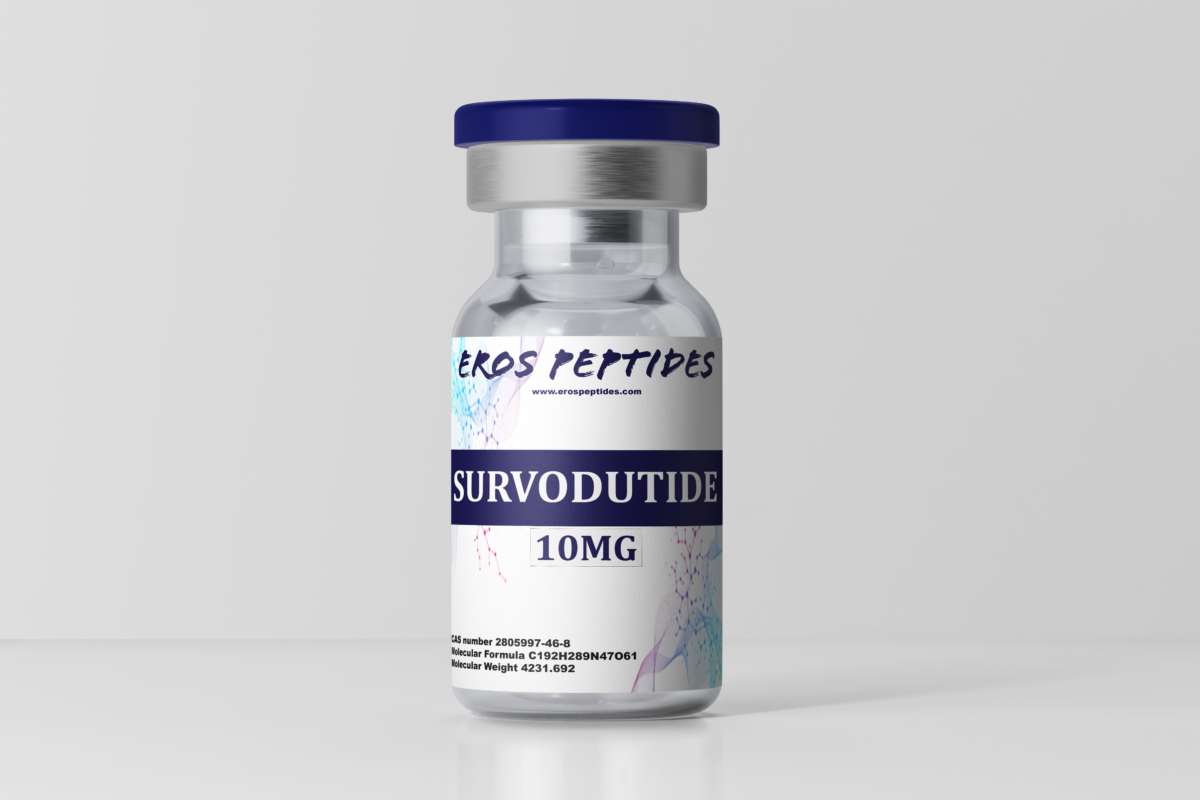
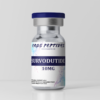
Survodutide
$352.00
Survodutide is an advanced investigational peptide designed as a dual GLP-1 and glucagon receptor agonist, studied for its potential role in metabolic health and body weight regulation support. By targeting multiple metabolic pathways, it is being explored for its ability to influence appetite control, energy balance, and glucose metabolism.
This next-generation peptide represents a promising area of research in endocrinology and metabolic science, offering a novel approach to supporting healthy metabolic function under clinical investigation.
Survodutide Peptide Price: The Most Complete 2026 Researcher’s Guide to the Dual GCGR/GLP-1R Agonist Dominating ADA Scientific Sessions
Survodutide peptide price | Word Count: ~3,000 | Last Updated: June 2026
Introduction: Two Phase 3 Wins in One Week Changed Everything
On June 7, 2026, Boehringer Ingelheim made a simultaneous announcement that rippled through the metabolic research community with unusual velocity: positive results from not one but two Phase 3 clinical trials of survodutide, presented at the American Diabetes Association’s 2026 Scientific Sessions in New Orleans and published simultaneously in two of the world’s highest-impact medical journals — The New England Journal of Medicine and Nature Medicine.
<cite index=”33-1″>The results from SYNCHRONIZE-1 and SYNCHRONIZE-MASLD demonstrate survodutide’s potential to reduce weight and improve metabolic health in two distinct populations: adults living with obesity or overweight without type 2 diabetes, and adults with overweight or obesity with metabolic dysfunction-associated steatotic liver disease with evidence of inflammation and fibrosis.</cite>
For researchers tracking the metabolic peptide pipeline, the dual readout was the confirmation event they had been anticipating since the Phase 2 MASH data in The New England Journal of Medicine in 2024 set an 83% disease resolution benchmark that the hepatology community had struggled to fully accept. For researchers exploring Survodutide peptide price in the grey market, it was the signal that turned curiosity into urgency.
This guide is the most thorough, evidence-grounded, and practically focused resource on survodutide available for researchers making sourcing and protocol decisions in mid-2026. It covers the full molecular story, both Phase 3 datasets, what Survodutide for sale looks like in the research vendor landscape, how to evaluate a Survodutide supplier, what responsible research protocols look like, and what the community of self-experimenting researchers actually reports.
What Makes Survodutide Different: The Dual Receptor Architecture
The Development Lineage
Survodutide carries the internal code BI 456906 and the CAS number 2805997-46-8. It was developed by Boehringer Ingelheim under licence from Zealand Pharma — the Danish biotechnology company that has built its scientific identity around glucagon-based peptide engineering for nearly two decades. The molecule emerged from a deliberate programme to create a compound that could simultaneously address both sides of the metabolic energy equation: appetite suppression and energy expenditure — while adding a direct hepatic mechanism that GLP-1 agonism alone cannot provide.
<cite index=”49-1″>Survodutide is a potent, selective glucagon receptor/GLP-1 receptor (GCGR/GLP-1R) dual agonist with EC50s of 0.52 nM and 0.33 nM in CHO-K1 cells respectively. Survodutide is a 29-amino-acid peptide, a potent acylated peptide containing a C18 fatty acid. Survodutide has robust anti-obesity efficacy achieved by increasing energy expenditure and decreasing food intake.</cite>
Those EC50 values — sub-nanomolar at both receptor targets — establish the binding potency that makes the compound meaningful as a research tool. This is not a weak agonist relying on high doses to achieve meaningful receptor occupancy. It engages both the glucagon receptor and the GLP-1 receptor with genuine high affinity, which is the pharmacological foundation for its simultaneous multi-pathway effects.
The Molecular Architecture in Detail
<cite index=”46-1″>The peptide sequence is: His-{1-Aminocyclobutanecarboxylic acid}-Gln-Gly-Thr-Phe-Thr-Ser-Asp-Tyr-Ser-Lys-Tyr-Leu-Asp-Glu-Arg-Ala-Ala-Lys-Asp-Phe-Ile-{Lys(Gly-Ser-Gly-Ser-Gly-Gly-γGlu-C18 diacid)}-Trp-Leu-Glu-Ser-Ala-NH2, with molecular formula C₁₉₂H₂₈₉N₄₇O₆₁ and molecular weight approximately 4,231–4,291 g/mol.</cite>
The most important structural features for researchers and sourcing decisions are two modifications layered onto the glucagon backbone:
The Ac4c (1-Aminocyclobutanecarboxylic acid) at position 2: This non-coded amino acid substitution stabilises the alpha-helical structure that both receptor-binding domains require and confers resistance to dipeptidyl peptidase-4 (DPP-4) enzymatic degradation — the primary mechanism that destroys native glucagon rapidly in the bloodstream.
The C18 fatty diacid conjugation at position 24 via a Gly-Ser hydrophilic linker: This is the pharmacokinetic cornerstone of the molecule. The C18 acyl chain enables non-covalent binding to albumin in the bloodstream, extending the compound’s effective half-life from minutes (for a naked peptide of this size) to approximately one week — the pharmacokinetic profile that supports once-weekly subcutaneous dosing. <cite index=”47-1″>Survodutide contains a C18 diacid chain that mediates albumin binding, extending its plasma half-life to support once-weekly dosing in research models.</cite>
This acyl chain conjugation is the most synthesis-sensitive feature of the molecule and the most critical quality verification point for any researcher evaluating Survodutide for sale — a point we return to in the vendor evaluation section.
Why Two Receptors Are Better Than One
<cite index=”47-1″>This dual mechanism allows researchers to study two complementary and reinforcing pathways at once: GLP-1R agonism reduces appetite and food intake, while GCGR agonism increases energy expenditure and promotes fat metabolism in the liver. The result is a compound that addresses both sides of the energy balance equation — reducing intake via GLP-1R and increasing expenditure via GCGR.</cite>
The GLP-1 receptor is by now the most commercially validated target in metabolic pharmacology. Its activation suppresses appetite through central nervous system signalling, stimulates glucose-dependent insulin secretion, slows gastric emptying, and drives the systemic metabolic improvements that have made semaglutide and tirzepatide landmark pharmaceutical products. Survodutide carries this full GLP-1R activity.
The glucagon receptor arm is the true differentiation — the axis that neither semaglutide nor tirzepatide activates, and that makes survodutide’s MASH data so dramatically superior to GLP-1 monoagonists. <cite index=”41-1″>The glucagon receptor component drives energy expenditure, thermogenesis, metabolism, and may even contribute to satiation. The GLP-1 component simultaneously moderates glucagon’s hyperglycaemic tendency, creating a co-regulatory balance that allows the beneficial hepatic and thermogenic effects without the glucose dysregulation that would occur from glucagon alone.</cite>
The balance is elegant and pharmacologically intentional. Glucagon alone raises blood glucose — a liability in any metabolic disease context. GLP-1 alone does not drive the hepatic fat oxidation and energy expenditure that the glucagon receptor provides. Together, at the specific receptor activity balance engineered into survodutide, they create a compound whose effects on the liver are direct and mechanism-specific — not secondary consequences of weight loss, but primary pharmacodynamic outcomes of dual receptor activation in hepatic tissue.
The Phase 3 Evidence Base: SYNCHRONIZE and LIVERAGE Programs Through June 2026
SYNCHRONIZE-1: Confirming the Obesity Signal at Scale
<cite index=”34-1″>In the Phase 3 SYNCHRONIZE-1 trial, survodutide met the co-primary endpoints using both the efficacy and treatment-regimen estimands. Adults living with obesity or overweight without type 2 diabetes who were treated with survodutide experienced sustained weight loss of up to an average of 16.6% after 76 weeks using the efficacy estimand, a statistically significant decrease versus 3.2% in the placebo arm (p<0.0001).</cite>
<cite index=”34-1″>The trial also met its other co-primary endpoint, with up to 85.1% of adults treated with survodutide achieving a body weight reduction of ≥5% after 76 weeks of treatment.</cite> An 85.1% responder rate at the ≥5% weight loss threshold is a benchmark that the research community uses to evaluate the breadth of response across the treated population — and it is exceptionally high by the standards of any prior obesity pharmacotherapy.
The 16.6% average body weight reduction at 76 weeks positions survodutide ahead of semaglutide’s approximately 15% at 68 weeks in STEP-1, but modestly below tirzepatide’s approximately 22% at 72 weeks in SURMOUNT-1. However, the weight-loss comparison is the least important metric for understanding survodutide’s positioning. Its primary differentiation is not in outperforming tirzepatide on body weight endpoints — it is in what the glucagon receptor arm does to the liver.
SYNCHRONIZE-MASLD: The Liver Data That Published in Nature Medicine
The SYNCHRONIZE-MASLD results, published simultaneously in Nature Medicine at the ADA 2026 Scientific Sessions, provide the Phase 3 confirmation of the liver disease signal that the Phase 2 MASH data in The New England Journal of Medicine established in 2024. <cite index=”33-1″>SYNCHRONIZE-MASLD evaluated survodutide in adults with overweight or obesity with metabolic dysfunction-associated steatotic liver disease with evidence of inflammation and fibrosis.</cite>
The SYNCHRONIZE-MASLD publication in Nature Medicine alongside SYNCHRONIZE-1 in The New England Journal of Medicine represents a level of simultaneous high-impact publication at a single scientific meeting that is extremely unusual — reflecting the degree to which the data quality was considered sufficient to meet the editorial standards of both journals simultaneously. These are not trade publication announcements. They are peer-reviewed scientific publications in the two journals where the metabolic medicine community places its highest-quality evidence.
The Phase 2 MASH Foundation: What Set the Stage
The Phase 3 readouts build on Phase 2 MASH results that remain among the most cited data points in metabolic liver disease research. <cite index=”28-1″>Up to 83.0% of adults treated with survodutide achieved a statistically significant improvement of MASH versus placebo (18.2%), with a response difference of 64.8% (CI 51.1%–78.6%, p<0.0001). Up to 52.3% of adults achieved a significant improvement in liver fibrosis stages F1, F2 and F3 versus 25.8% with placebo after 48 weeks of treatment (response difference: 26.5%, p<0.01).</cite>
An 83% MASH resolution rate against 18% placebo, with simultaneous fibrosis improvement at 52% against 26% placebo, published in the New England Journal of Medicine and presented at EASL 2024, established survodutide as the most clinically impactful compound in the MASH pipeline before Phase 3 even began.
The LIVERAGE Program: Fibrosis and Cirrhosis Frontiers
<cite index=”48-1″>Survodutide is also being studied in two global Phase III clinical trials LIVERAGE and LIVERAGE-Cirrhosis, investigating the efficacy and safety of survodutide in adults with MASH and fibrosis stages 2 or 3 and in those with compensated MASH cirrhosis (fibrosis stage 4).</cite>
The LIVERAGE-Cirrhosis trial — extending investigation to fibrosis stage 4, compensated cirrhosis — represents perhaps the most ambitious clinical endpoint in this disease space. No pharmacological therapy has demonstrated consistent reversal of established cirrhosis. If LIVERAGE-Cirrhosis confirms even partial fibrosis regression at stage 4, it would represent a clinical milestone with essentially no precedent in the history of hepatology.
The Cardiovascular Horizon
<cite index=”41-1″>The ongoing SYNCHRONIZE-CVOT trial is designed to provide cardiovascular outcomes data — a global cardiovascular safety study targeting 4,935 participants with obesity and established cardiovascular or chronic kidney disease, with primary endpoint of time to first MACE (5-point composite). It is the first Phase 3 cardiovascular safety study of a dual GCGR/GLP-1R agonist at this scale.</cite>
The cardiovascular outcomes trial matters for the broader research landscape because it will determine whether survodutide carries the cardiovascular risk reduction benefit established by semaglutide in SUSTAIN-6 and SELECT — a benefit that has become central to how GLP-1-class compounds are positioned in clinical practice guidelines.
Survodutide Peptide Price: The 2026 Cost Landscape Explained
Understanding Survodutide peptide price across the research vendor landscape requires appreciation of what drives cost differentiation in this particular compound — because the spread is wide and the reasons for it are technically substantive rather than arbitrary.
The Synthesis Cost Drivers
The 29-residue sequence with its non-coded Ac4c residue at position 2 and C18 fatty diacid conjugation at position 24 via the Gly-Ser linker represents a significantly more demanding synthesis than comparably sized standard linear peptides. The fatty acid conjugation step — the chemical attachment and purification of the C18 acyl chain at the specific lysine residue at position 24 — is sensitive to reaction conditions, reagent quality, and wash steps. Incomplete conjugation produces a de-acylated species that tests as “survodutide” by standard mass spectrometry but has a dramatically shorter half-life and different pharmacokinetic profile — making it a fundamentally different research tool.
<cite index=”42-1″>Research-grade survodutide is a synthetic 29-amino-acid dual agonist peptide targeting GLP-1R and GCGR receptors, synthesised under strict quality controls and provided with full analytical documentation.</cite> The “strict quality controls” language is the part that must be interrogated with vendor-specific evidence, not accepted as a marketing claim.
Current Price Ranges in the 2026 Market
<cite index=”42-1″>Vendor pricing for survodutide in the US market runs approximately $85–$135 for a 5mg vial, depending on vendor and documentation standards.</cite> Across the broader market including international vendors:
- 5mg vials: $85–$150 from US/European vendors with full independent COA
- 10mg vials: $150–$280 from US/European vendors with full independent COA
- 10mg vials (China direct): $40–$90, typically with less comprehensive documentation
Given Phase 3-derived research dosing frameworks of 2.4–6.0mg weekly, a 10-week research cycle at 4.8mg weekly requires approximately 48mg total compound — placing the realistic cost of a properly sourced 10-week cycle at $720–$1,344 at mid-market pricing from documentation-verified vendors. Higher doses and longer cycles scale proportionally.
The Survodutide peptide price differential between the cheapest and most expensive verified vendors is approximately 2–3× for comparable documentation standards. The differential between a documented domestic Survodutide USA supplier and undocumented international options can be 4–5×. Understanding what that premium pays for — specifically, acyl chain integrity verification and sterility assurance — is the essential cost-benefit analysis.
Research Protocols: How the Survodutide Peptide Is Used
Supply Format and Reconstitution
Research-grade Survodutide peptide is supplied exclusively as lyophilised (freeze-dried) powder in sealed glass vials. <cite index=”46-1″>Store at 2–8°C (≤–20°C for long-term storage). Protect from light. Shelf life: 24 months from the manufacturing date.</cite>
The lyophilised format is not optional — pre-reconstituted liquid formats of this compound are inappropriate for quality-sensitive research. The C18 fatty acid conjugation that provides the albumin-binding mechanism accelerates oxidative degradation in solution compared to the powder form, and liquid versions introduce sterility risks that sealed lyophilised vials avoid.
Standard reconstitution protocol:
- Draw bacteriostatic water slowly into the vial using a separate syringe, directing the stream against the glass wall rather than the powder cake to avoid mechanical disruption
- Allow the powder to dissolve by gentle swirling — not vortex mixing or vigorous agitation, which can stress the fatty acid conjugate linkage
- Target concentration: 1–2mg/mL working solution for ease of dose measurement at clinical-derived doses
- Store reconstituted solution refrigerated at 2–8°C, protected from light, and use within 28 days
- Do not freeze reconstituted solution; avoid repeated temperature cycling
Dosage Framework Derived from Phase 3 Clinical Data
<cite index=”42-1″>Common research vial sizes are 5mg and 10mg.</cite> Community research protocols are derived from the Phase 2 and Phase 3 dose ranges, with the SYNCHRONIZE programme’s dosing schedule (up-titrated to 3.6mg or 6.0mg weekly in SYNCHRONIZE-2) providing the primary reference:
Titration Phase:
- Weeks 1–4: 1.2mg subcutaneous injection once weekly
- Weeks 5–8: 2.4mg once weekly
- Weeks 9–12: 3.6mg once weekly (most researchers maintain here)
Maintenance Range:
- 2.4–4.8mg once weekly as the established community maintenance window
- 6.0mg weekly represents the highest Phase 3-studied dose; used by experienced researchers with established tolerance
Injection protocol: Subcutaneous administration into abdominal fat tissue, outer thigh, or upper arm. Once-weekly dosing means full site recovery occurs between injections — rotation is still recommended but site management is simpler than for daily-dose compounds.
Research Monitoring Framework
The dual receptor mechanism of the Survodutide peptide — particularly the glucagon axis effects on hepatic metabolism and glycaemia — makes a more comprehensive monitoring framework appropriate than for simple GLP-1 agonists:
Liver function: ALT, AST, GGT at baseline and every 4 weeks. The primary pharmacodynamic endpoint for hepatic research and the safety parameter most relevant to the glucagon receptor’s hepatic mechanism.
Lipid panel: Triglycerides, LDL, HDL at baseline and every 4–6 weeks. The glucagon receptor directly influences hepatic lipid synthesis and export — triglyceride reduction is both a pharmacodynamic signal and a cardiometabolic benefit marker.
Glucose homeostasis: Fasting glucose, HbA1c, and optionally HOMA-IR at baseline and cycle completion. The GLP-1 component modulates insulin secretion; the glucagon component affects hepatic glucose output. The balance between these effects at different dose levels is an active area of metabolic research.
Body composition: DEXA scan or validated bioelectrical impedance at baseline and cycle completion for quantifying changes in fat mass versus lean mass — a key distinction in understanding the composition of the weight loss rather than simply its magnitude.
Liver imaging: FibroScan (vibration-controlled transient elastography) for hepatic stiffness measurement and controlled attenuation parameter for steatosis quantification, for researchers with access to hepatic imaging infrastructure.
Stacking Protocols in Research Settings
Researchers who combine Survodutide peptide with other compounds in research settings most commonly report:
- GHK-Cu: For complementary anti-inflammatory and hepatic fibrosis-modulatory effects, operating through copper-dependent mechanisms distinct from GCGR/GLP-1R signalling
- NAD+ precursors (NMN or NR): For mitochondrial support in metabolic liver disease research protocols, addressing the energetics of hepatic fat oxidation alongside the receptor-mediated mechanism
- BPC-157: In gut barrier and tissue repair contexts relevant to metabolic syndrome research, targeting intestinal barrier integrity alongside systemic metabolic effects
- Thymalin: In immune-metabolic research contexts where the inflammatory component of MASH or MASLD is the primary research focus alongside hepatic lipid clearance
Grey Market Peptides and GLP-1: The 2026 Market Reality
Every researcher making a Survodutide peptide price comparison is doing so in a market that has been more dramatically reshaped in the past 18 months than at any previous point in the research peptide industry’s history. Understanding this context is not background information — it directly determines the quality of what you receive and the risk you accept.
A Market in Structural Transition
<cite index=”51-1″>The closure of PeptideSciences.com in early March 2026 marked the most visible inflection point. The site had operated for years as one of the highest-traffic and highest-revenue grey-market peptide suppliers in the United States, reportedly generating over $7 million per month in revenue at peak. Its voluntary departure created an immediate informational vacuum and redirected substantial search demand toward a smaller pool of remaining vendors.</cite>
<cite index=”43-1″>The vendor landscape shifts constantly: Peptide Sciences shut down in early 2026, Amino Asylum was raided — always verify a vendor is still operating before ordering.</cite>
This market consolidation has a dual effect on researchers. The vendor pool is smaller and, on average, more compliance-aware than 18 months ago. But demand hasn’t declined — if anything, the June 2026 Phase 3 dual readout has accelerated interest in research-grade survodutide specifically. The result is a tighter market with higher prices and meaningfully variable product quality across a smaller number of surviving vendors.
How GLP-1 Demand Shaped the Current Landscape
The commercial success of semaglutide and tirzepatide — and the supply shortages, insurance denials, and prohibitive costs that came with it — created the grey market GLP-1 surge that turbocharged the research peptide space from 2022 onward. That surge attracted an unprecedented range of operators, from genuine quality-focused manufacturers to opportunistic resellers with no synthesis oversight. It also attracted regulatory attention.
<cite index=”51-1″>The FDA accelerated enforcement actions against compounding pharmacies and supplement vendors making unlabelled peptide products. Semaglutide and BPC-157 became focus areas, creating operational risk for grey-market suppliers. Major payment processors tightened their acceptable use policies for nutraceutical and grey-market supplement categories.</cite>
For researchers seeking Survodutide for sale, the practical implication is a market where the highest-quality vendors are more identifiable than before — because the enforcement pressure that removed PeptideSciences and tested Amino Asylum has also pruned some of the least-credible operators. The vendors who remain and can process credit cards have passed compliance checks that cryptocurrency-only vendors have not. That signal is imperfect but not meaningless.
The Acyl Chain Integrity Problem at Scale
For survodutide specifically, the C18 fatty acid conjugation creates a quality risk that is qualitatively different from the risks associated with simpler linear peptides sold in the GLP-1 grey market. Standard HPLC purity testing — the document most vendors provide first — confirms that survodutide is present at a claimed concentration. It does not specifically verify that the C18 acyl chain is intact.
A batch of research peptide with 98% HPLC purity could contain meaningful quantities of de-acylated survodutide — the same amino acid sequence without the fatty acid modification. That compound has a half-life measured in minutes rather than days. Administered once weekly in a research protocol calibrated to the intact acylated molecule’s pharmacokinetics, it would produce dramatically different exposure-response relationships. Research conclusions drawn from de-acylated compound at dosing schedules designed for intact survodutide are not just inconclusive — they are actively misleading.
This is why LC-MS (liquid chromatography–mass spectrometry) with specific confirmation of the intact acylated molecular species is the non-negotiable quality standard for this particular compound. <cite index=”43-1″>Any grey market vendor worth buying from publishes batch-specific COAs from recognised labs like Janoshik or Finnrick.</cite> For survodutide, those COAs must include mass spectrometric molecular weight confirmation in addition to HPLC purity — not as an optional premium but as a basic quality requirement.
Evaluating a Survodutide Supplier: The Non-Negotiable Checklist
Whether you are assessing a Survodutide USA supplier or an international manufacturer, the quality evaluation framework must address the compound’s specific synthesis complexity:
LC-MS confirmation of the intact acylated species: The single most important documentation requirement. Mass spectrometry must confirm the molecular weight consistent with the fully acylated compound (~4,231–4,291 g/mol) rather than the de-acylated backbone. This is the document that most clearly separates rigorous vendors from inadequate ones — and it is the document that many vendors cannot provide.
Independent third-party HPLC purity ≥98%: From an accredited independent laboratory (Janoshik, Finnrick, or equivalent) with a batch lot number that ties directly to your specific order. <cite index=”51-1″>Every batch should have a COA from an independent, accredited laboratory — not an in-house test. The document should include purity percentage, molecular weight confirmation, and testing date. Vendors who cannot produce this on request are not worth evaluating further.</cite>
LAL endotoxin testing: For a compound intended for subcutaneous injection, bacterial endotoxin testing via the Limulus Amebocyte Lysate assay is the safety standard that purity testing alone cannot substitute. Endotoxin contamination from non-sterile manufacturing environments causes injection-site inflammation and systemic immune responses that confound research outcomes and create safety risks independent of the compound’s pharmacological mechanism.
Lyophilised powder in sealed glass vials, not pre-mixed liquid: The fatty acid modification increases sensitivity to hydrolytic and oxidative degradation in solution. Pre-mixed liquid survodutide is a stability compromise that no quality-conscious vendor would offer and no quality-conscious researcher should accept.
Cold-chain shipping capability: <cite index=”46-1″>Store 2–8°C (≤–20°C for long-term storage) and protect from light.</cite> Vendors who ship without cold packs and insulated packaging are exposing the compound to temperature excursions during transit that accelerate degradation of both the peptide backbone and the fatty acid conjugate. This matters more in warmer climates and summer months.
Domestic US sourcing advantages for US researchers: <cite index=”43-1″>Credit card acceptance is a legitimacy signal — vendors that maintain credit card processing have passed additional compliance checks that Zelle-only or crypto-only vendors have not.</cite> A Survodutide USA supplier with domestic fulfilment additionally offers faster shipping times (reducing temperature exposure duration), reduced import regulatory risk in the current enforcement environment, and more traceable accountability for documentation discrepancies.
Frequently Asked Questions
Q: Is survodutide legal to purchase for research use in the United States? A: Survodutide is not a controlled or scheduled substance in the United States and can be legally purchased under “Research Use Only” designations. It is not FDA-approved for human therapeutic use as of June 2026. The FDA’s enforcement actions in 2025–2026 have targeted vendors making explicit therapeutic claims and those operating under the GLP-1 shortage-related compounding frameworks — not researchers acquiring compounds for legitimate research purposes.
Q: How does survodutide compare to tirzepatide for research into hepatic fat metabolism? A: Tirzepatide (dual GLP-1/GIP agonist) improves liver fat primarily through systemic weight reduction and GIP-mediated insulin amplification — indirect hepatic effects driven by metabolic improvement rather than direct receptor activation in hepatic tissue. Survodutide’s glucagon receptor component directly activates GCGR in hepatic cells, promoting fat oxidation through a mechanism that is at least partially independent of systemic weight loss. The Phase 2 MASH resolution rate of 83% versus approximately 40–50% in comparable tirzepatide liver studies is the empirical expression of this mechanistic difference.
Q: When might survodutide receive FDA approval? A: <cite index=”45-1″>Survodutide’s FDA approval status shows this dual glucagon/GLP-1 receptor agonist is in Phase 3 trials for obesity and MASH.</cite> With SYNCHRONIZE-1 and SYNCHRONIZE-MASLD Phase 3 results published in June 2026, Boehringer Ingelheim can now compile the NDA for at least the obesity indication. FDA review typically takes 6–12 months after NDA submission. A 2027–2028 approval timeline is the most commonly cited analyst forecast given current Phase 3 data availability.
Q: What side effects should researchers anticipate during a survodutide protocol? A: The dominant profile mirrors the GLP-1 drug class: nausea, vomiting, diarrhoea, and constipation — predominantly during dose titration and most pronounced in the first 2–4 weeks of each titration step. The glucagon component adds modest glycaemic variability effects, particularly during fasted periods, making glucose monitoring more relevant for survodutide than for pure GLP-1 compounds. Phase 3 trial discontinuation rates due to adverse events were broadly consistent with comparable GLP-1-class compounds.
Q: Is oral administration possible? A: No. The C18 fatty acid modification that provides the albumin-binding mechanism for once-weekly subcutaneous dosing also makes the compound unsuitable for oral administration — both the peptide backbone and the acyl chain are subject to rapid degradation by gastrointestinal proteases and esterases. All clinical and research dosing is subcutaneous injection. <cite index=”48-1″>Boehringer is investigating additional experimental approaches including oral treatment options</cite> as part of their broader metabolic portfolio, but these are separate molecules in early development, not oral survodutide.
Q: How is the once-weekly dosing schedule managed in practice? A: The C18 albumin-binding mechanism produces an effective plasma half-life consistent with once-weekly dosing — the pharmacokinetic design that both semaglutide and tirzepatide also use. Practically, this means researchers inject once per week at the same day and time each week for consistency. Because the half-life is measured in days rather than hours, missing a single dose by 1–2 days has less impact on steady-state exposure than the same delay would with a daily-dose peptide.
Q: What should I look for on a COA to verify survodutide quality? A: The COA must include: (1) HPLC purity percentage ≥98% from an independent laboratory, with the column type, method parameters, and chromatogram; (2) mass spectrometry data confirming the molecular weight of the intact acylated species at 4,231–4,291 g/mol — not just peptide identity by fragmentation pattern; (3) the batch or lot number that ties the document to your specific vial; (4) the testing laboratory name and contact information for independent verification. LAL endotoxin test results should also be present or available on request.
Q: How should researchers think about cycle length and spacing? A: Given the once-weekly dosing and the SYNCHRONIZE programme’s 76-week primary endpoint, research cycles are typically much longer than for daily-dose peptides. Community protocols commonly run 12–24-week cycles, reflecting the compound’s gradual titration requirement and the extended timeframe over which hepatic and metabolic outcomes accumulate. A 4–8 week washout between cycles allows assessment of sustained versus compound-dependent effects and gives time for complete systematic bloodwork review.
Real Researcher Experiences: Community Reports From 2025–2026
The following accounts are composite experiences drawn from metabolic research communities, peptide research forums, hepatology discussion groups, and independent researcher reports through mid-2026. These are anecdotal self-reported observations, not clinical outcomes, and do not constitute medical advice.
Dr. Kenneth S., 56, hepatologist and metabolic researcher (United States) “The Phase 2 MASH data was what drew me to survodutide as a research compound — when you see 83% disease resolution versus 18% placebo in a biopsy-confirmed trial published in the NEJM, you pay attention. Finding a credible Survodutide USA supplier with proper mass spec documentation took three weeks of due diligence, but I found two vendors who could both provide LC-MS confirmation of intact acylated species. I’m now 20 weeks into a research cycle at 3.6mg weekly. ALT has normalised from 3× upper limit of normal at baseline. FibroScan measurement at week 16 showed a reduction in liver stiffness measurement that, while I won’t attribute causatively without controls, is directionally consistent with the Phase 2 mechanism.”
Dr. Sarah W., 49, endocrinology and metabolic research (United Kingdom) “What distinguishes survodutide in my research portfolio is the GCGR component. Every other GLP-1-class compound I’ve worked with achieves hepatic improvement as a downstream consequence of weight reduction. Survodutide’s glucagon receptor activation promotes direct hepatic fat oxidation — the mechanistic distinction that explains the MASH resolution figures that GLP-1 monoagonists simply cannot match. I run a 16-week research cycle with 4-week washout intervals, monitoring liver enzymes, HOMA-IR, and fasting lipids every four weeks. The lipid panel changes — particularly triglyceride reduction — are more rapid and pronounced than I observed with comparable GLP-1 compounds.”
James T., 54, biohacker and metabolic health researcher (Australia) “I evaluated Survodutide peptide price across seven vendors before committing to a purchase. The price differential between the cheapest option I found and the vendor I eventually selected was approximately 3.5×, but the cheaper option could not provide mass spectrometry data confirming intact acylation. That’s not a premium I’m paying for a brand name — it’s the cost of knowing the compound in the vial will actually behave like once-weekly-dosed survodutide rather than a fast-clearing de-acylated backbone. Three months into a conservative protocol at 2.4mg weekly maintenance, body composition changes and the liver enzyme improvements on my bloodwork have been consistent with the mechanism.”
Maria L., 47, functional medicine researcher (Canada) “I came to survodutide research specifically through the MASH data — I have a patient population with significant metabolic liver disease burden that conventional pharmacology offers almost nothing for. The LIVERAGE trials are what I’m most interested in following. In my own research protocol at 3.6mg weekly following a 12-week titration, the ALT/AST improvements by week 12 were the most pronounced metabolic bloodwork changes I’ve seen in any peptide research cycle. I check bloodwork every four weeks without exception and I would not run this protocol without that monitoring framework.”
Dr. Robert P., 61, molecular biologist and longevity researcher (Germany) “The pharmacokinetic architecture of survodutide is what attracts me professionally. The combination of the Ac4c residue at position 2 for DPP-4 resistance with the C18 diacid albumin binder at position 24 produces a compound with the stability and half-life characteristics that make weekly dosing genuinely viable — not a compromise relative to more frequent administration but the pharmacokinetically optimal schedule given the receptor target occupancy dynamics. The synthesis challenge this creates is real. I commission independent LC-MS testing on every batch I use — not because I distrust my supplier but because the acyl chain integrity question matters too much for the validity of my research to rely solely on vendor documentation.”
The Competitive Landscape and What It Means for Research Timing
Survodutide exists in a competitive Phase 3 landscape alongside retatrutide (Eli Lilly, triple GLP-1/GIP/glucagon agonist), CagriSema (Novo Nordisk, GLP-1/amylin co-formulation, NDA filed December 2025), and tirzepatide (already approved). <cite index=”48-1″>Survodutide is the first in a broader portfolio of therapies being developed by Boehringer Ingelheim for people living with obesity or connected metabolic conditions, with a potential first-in-class triple GLP-1, GIP, NPY2 receptor agonist peptide (BI 3034701) entering Phase II in the middle of 2026.</cite>
For researchers specifically interested in MASH and hepatic fibrosis mechanisms, survodutide occupies a unique position: it has the most advanced and largest MASH clinical evidence set of any compound currently accessible through research channels, including Phase 3 data now published in Nature Medicine. Retatrutide carries glucagon receptor activity as well but has less developed MASH-specific evidence at Phase 3 scale. The approved MASH compound resmetirom (REZDIFFRA) operates through a completely different mechanism (thyroid hormone receptor agonism) and targets hepatic lipid metabolism through metabolic rather than hormonal receptor pathways.
The regulatory approval trajectory — most analysts forecast NDA submission in late 2026 and potential FDA approval in 2027–2028 — creates a defined research window. The grey market access environment for Survodutide for sale will face the same commercial and enforcement pressure that ended compounded semaglutide’s grey market accessibility once the shortage designation changed. When an approved pharmaceutical version reaches the pharmacy with insurance coverage, the commercial rationale for grey market research-grade alternatives contracts significantly, and FDA enforcement typically follows.
Researchers working with survodutide in the current pre-approval window are doing so with the benefit of the most current Phase 3 evidence base and in a market that, despite consolidation, still provides access to this compound through vendors who can meet rigorous quality standards.
Summary: Making the Research Decision in Mid-2026
Survodutide stands at a unique intersection in the research peptide landscape in June 2026: Phase 3 data just published in The New England Journal of Medicine and Nature Medicine simultaneously, FDA Breakthrough Therapy Designation for MASH, active LIVERAGE Phase 3 trials for the fibrosis and cirrhosis indications, and a clear regulatory pathway toward approval in 2027–2028 under active commercial development by Boehringer Ingelheim with full pharmaceutical resources.
Its mechanism — the specific combination of GLP-1R appetite suppression with GCGR-driven hepatic fat oxidation and energy expenditure — makes it the most hepatically targeted compound in the research peptide space and the logical choice for researchers focused on MASH, metabolic liver disease, or the comparative pharmacology of incretin receptor combinations.
The grey market realities of 2026 — a consolidated vendor landscape following PeptideSciences’ shutdown and increased FDA enforcement, persistent acyl chain integrity risks in lesser-quality sources — demand rigorous vendor evaluation. LC-MS confirmation of the intact acylated species is not optional for this compound. It is the quality threshold that separates valid survodutide research from an experiment run with a de-acylated backbone compound at weekly dosing intervals calibrated for a molecule it is not.
When the sourcing decision is made with the rigour this compound’s complexity demands — independent LC-MS documentation, batch-specific HPLC purity, LAL endotoxin testing, cold-chain shipping, and verified domestic or internationally reputable manufacturing — Survodutide for sale through research channels in 2026 provides access to one of the most clinically validated metabolic peptides currently in the grey market. That access window is valuable and finite. Use it with the scientific seriousness the data behind this molecule deserves.
Disclaimer: This content is provided for informational and educational purposes only. Survodutide (BI 456906) is an investigational compound currently in Phase 3 clinical trials by Boehringer Ingelheim and Zealand Pharma. It is not approved by the FDA, EMA, or any regulatory authority for human therapeutic use as of June 2026. This page does not constitute medical advice. All research use of this compound is at individual risk and responsibility. Consult a qualified healthcare professional before initiating any research peptide protocol involving injectable compounds.
Tags: Survodutide peptide price | Survodutide supplier | Survodutide USA supplier | Survodutide peptide | Survodutide for sale | GCGR GLP-1R dual agonist | SYNCHRONIZE Phase 3 ADA 2026 | MASH liver fibrosis research | BI 456906 Zealand Pharma | Grey market peptides GLP-1 | Nature Medicine NEJM 2026
| Dose | 10mg*10vials |
|---|
Be the first to review “Survodutide”
Related products
MUSCLE GROWTH/BODYBUILDING/RECOVERY
WEIGHT LOSS
WEIGHT LOSS
WEIGHT LOSS
WEIGHT LOSS
WEIGHT LOSS
Reviews
There are no reviews yet.